
What Makes A Good Research Paper
What is a Good Impact Factor of Journals
Learn what makes a good Impact Factor of Journals, how it’s calculated, and why it matters for academic credibility and research influence.

When you aim to publish, the question of impact factor often sits at the center of What Makes A Good Research Paper. Does a high impact factor mean your work will reach more readers, or is citation count just one signal among many, like h-index, Eigenfactor, CiteScore, peer review, editorial reputation, and indexing in Web of Science or Scopus?
This guide explains how citation metrics and journal rankings work, how to read Journal Citation Reports, and how to use these signals to select the right venue and shape your manuscript. You will also learn practical steps to research and write more efficiently with AI so your paper improves its visibility and citation potential.
To help with that, Otio's AI research and writing partner speeds up literature search, suggests journals based on impact metrics and scope, enables you to draft clear sections, and tracks citations so you spend less time hunting and more time writing.
Table of Contents
Importance of Journal Impact Factors
What is a Good Impact Factor of Journals
Pros and Cons of Judging IF for a Journal
How to Find a Journal's Impact Factor
Supercharge Your Researching Ability With Otio — Try Otio for Free Today
Summary
The journal impact factor is a fast and standardized way to compare journal visibility; however, it is an incomplete measure of quality. Clarivate currently ranks over 11,000 journals based on their Journal Impact Factor.
A practical benchmark is that an impact factor of 2 is often considered good, while elite, broad-interest journals can exceed 10, so benchmarking within your subject category is essential.
Relying solely on high IF thresholds skews choices, as roughly 80% of journals have an impact factor under 5, and the median across journals is about 2.5, which means that blanket cutoffs would exclude many solid specialty outlets.
Many IF calculations use a two-year citation window, which rewards fast-citing fields and review-heavy formats and biases decisions toward short-term citation velocity rather than long-term influence.
The metric shapes institutional behavior: Clarivate reports that Journal Impact Factors are used by over 90% of the top 100 universities worldwide, driving reporting workloads and evaluation practices.
Most teams manage journal tracking with spreadsheets and bookmarks until the lists reach 50 to 100 titles, at which point reconciliation, missed alerts, and lost context can result in weeks of extra work.
This is where Otio's AI Research and Writing Partner fits in, addressing this by centralizing citations, surfacing journal metrics, and linking article-level evidence to submission and reporting workflows.
Importance of Journal Impact Factors

The journal impact factor matters because it provides a quick, standardized way to compare the attention journals receive; however, it does not tell the whole story about the quality or relevance of the journals. Use it as a directional signal, not a final verdict, because its strengths and limits shape incentives across publishing, funding, and careers.
How does the impact factor actually help?
1. It ranks relative visibility across titles.
The impact factor lets you place one journal next to another on a single scale, which is useful when you need a shorthand for influence within a field. This makes comparisons faster than reading dozens of articles, but it also risks comparing mismatched specialties, so you should always compare within subject groups rather than across wildly different disciplines.
2. It gives context to raw citation totals.
Raw counts favor prominent, established journals simply because they publish more articles. The impact factor adjusts for that by showing citations per citable item, so you can see whether a journal’s articles, on average, attract attention rather than just adding to a volume that swamps smaller titles.
3. It reduces some, but not all, size and age bias.
The metric corrects for the apparent bias of sheer output and longevity, which helps newer or niche journals look less invisible next to century-old, high-volume titles. Still, the correction is partial because larger archives and more frequent issues naturally create more opportunities for citation.
4. It is sensitive to scope and publication cadence.
Journals that publish many review articles or issue frequently will often score higher because these formats and rhythms generate citations more quickly. That means format and editorial strategy can drive the number as much as research quality.
5. It shapes publisher strategy and marketing.
Publishers highlight impact factors when promoting titles and use the metric to decide whether to launch, merge, expand, or retire journals. That commercial logic channels resources toward titles that look strong by the metric, sometimes at the expense of specialized or slow-burning scholarship.
6. It guides authors’ choices about where to submit.
Authors use impact factors to navigate publishing options, especially when career milestones or funding reviews pressure them to seek venues with apparent prestige. This creates a feedback loop: higher-ranked journals attract more submissions, which in turn increase their visibility, thereby reinforcing the metric.
7. It influences institutional evaluation and norms.
The metric’s reach is institutional, not just individual. According to Clarivate, over 11,000 journals are ranked by their Journal Impact Factor, which helps explain why many organizations use the number as a quick filter when assessing research output. That scale turns the impact factor into a structural signal across academia.
8. It affects citation databases and reporting workload.
Because Clarivate reports that Journal Impact Factors are used by over 90% of the top 100 universities worldwide, institutions invest time and systems into tracking and reconciling these scores, which alters promotion criteria and reporting routines.
What breaks when teams rely on the metric alone?
This pattern appears across editorial offices and research managers: leaning only on impact factor simplifies decisions early on, but as lists of priorities grow and reviewers multiply, that simplification becomes a constraint. Editorial teams often find themselves optimizing for the metric, which can lead them to chase citation-friendly formats or underinvest in long-term, incremental work. It feels like patching a product release after release, watching minor fixes accumulate while core usability problems remain unresolved.
Status quo, hidden cost, and a practical bridge
Most teams default to impact factor because it is familiar and requires no extra tooling. As journal portfolios scale, that habit obscures the real cost: decisions driven by a single number result in misallocated editorial resources and overlook niche values that matter to specific communities. Platforms like Otio provide centralized citation tracking, automated trend alerts, and dashboards that surface nuanced metrics, letting editorial and strategy teams make evidence-based choices faster while preserving audit trails and context. A quick analogy to keep this concrete: treating impact factor as the only measure is like judging a neighborhood by its tallest building, impressive but blind to the streets that keep it alive. That simple tension raises a sharper question about thresholds and meaning — and that’s where things get unexpectedly complicated.
What is a Good Impact Factor of Journals
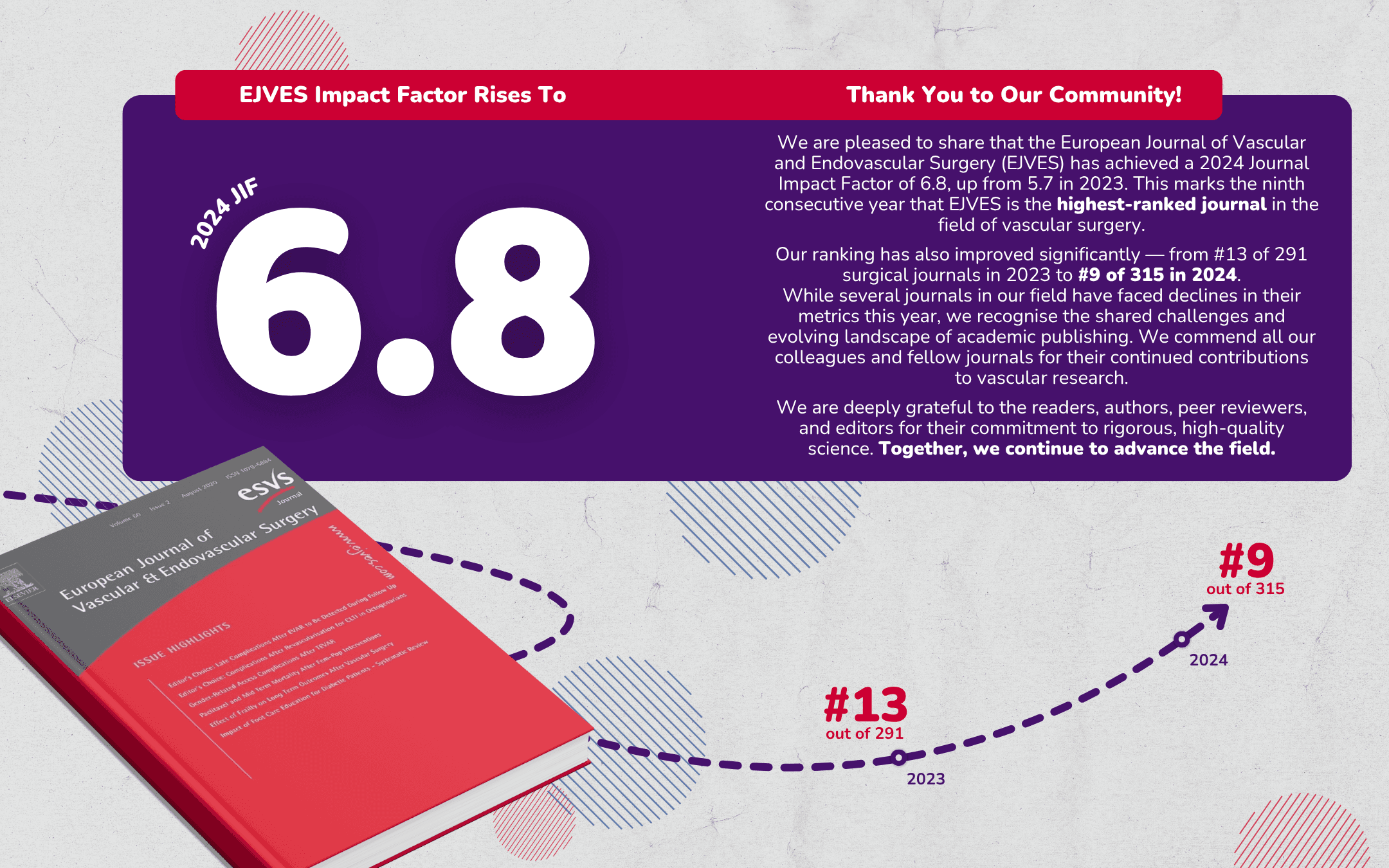
A good impact factor is not a single number that can be applied universally; it is a benchmark used to compare against the norms of a field and the goals of your work. Generally, editors and evaluators consider an impact factor of 2 or higher to be satisfactory. For elite, broad-interest titles, the bar sits much higher because Top journals can have impact factors higher than 10.
1. Thresholds you can use right now
Treat the figures above as listening posts, not laws. Use them to sort journals into rough tiers: entry/mid-tier, solid specialty, and top-tier generalist titles. Match your career stage and goals to one of those tiers. If you need to show steady citations for promotion, aim for journals whose typical scores are in the middle or upper tier of your subject category rather than chasing an outlier title.
2. How to benchmark within a specialty
Compare a journal to its subject group percentiles or quartiles instead of comparing across fields. Find the median impact factor for your category and ask whether a candidate title sits above the 50th, 75th, or 90th percentile. That indicates how the journal performs in comparison to its direct peers, which is the metric that committees and funders respect most.
3. What committees and reviewers actually expect
Review panels want evidence of audience and reuse, not a single prestige number. When you present publications, pair the journal score with article-level evidence, such as citation counts, downloads, or case citations, so that reviewers can see both venue and effect. This reduces the risk that your work is undervalued because it appeared in a niche but influential outlet.
4. Most teams’ tracking habits, and what breaks as scale grows
Most teams manage journal lists with spreadsheets and bookmarks because those tools are familiar and require no new setup. That works until the list grows past 50 to 100 titles, at which point reconciliation, version drift, and missed alerts create weeks of friction every quarter. Platforms like Otio centralize sources, surface citation changes, and keep source-level context linked to notes, allowing teams to transition from manual maintenance to event-driven monitoring without compromising auditability.
5. How industry practitioners should think about impact when they lack academic publications
Industry contributors often face a credibility gap because their results are often presented in product metrics, patents, or internal reports rather than in academic journals. If publishing is necessary for external validation, prioritize journals that value applied work and transparent methods, and document the downstream impact in the submission, including adoption numbers, standards changed, or revenue tied to the innovation. Also, be cautious about fast-accept, low-transparency outlets, as they often create brittle evidence that committees tend to discount.
6. Alternatives and complements you should track alongside the impact factor
Use a small suite of indicators, including article citations, citation velocity, altmetrics for broader engagement, and author-level measures such as the H-index, for career-level context. Narrative evidence still matters: letters, documented policy influence, or reproducible code can outweigh a modest journal score because they show real-world uptake.
7. Tactical submission strategy based on time, audience, and risk
If speed is a priority, consider journals with shorter median review times and explicit transfer policies. If audience breadth is a concern, consider higher-visibility outlets, even if their acceptance rates are lower. When aiming for career milestones, balance one aspirational submission with two reliable, field-appropriate journals to maintain momentum while pursuing prestige.
8. Practical red flags to avoid
Look for sudden metric jumps with little editorial explanation, unusually high self-citation rates, and opaque indexing claims. Those are often signs of metric gaming or poor editorial standards. When in doubt, ask trusted mentors about the journal’s editorial board and peer review rigour before betting your work on it. Otio helps here because teams often accept fragmented, manual workflows as the only way to keep track of journals and evidence. That habit hides a cost, as citations slip through cracks and contextual links vanish. Solutions like Otio reduce that overhead by turning scattered bookmarks and PDFs into connected, queryable knowledge with automated note generation and source-grounded Q&A.
Otio solves the content overload problem for researchers by providing a single AI-native workspace that collects sources, extracts actionable insights, and helps you create drafts from what you’ve gathered, making it easier to demonstrate impact across various venues. Let Otio be your AI research and writing partner — try Otio for free today! That one comfortable rule of thumb looks tidy on paper, but what it misses will complicate decisions in ways you don’t expect.
Related Reading
Research Paper Title Page Example
Pros and Cons of Judging IF for a Journal

The impact factor can be a reliable, quick signal when you need to sort options quickly, but it also distorts incentives and flattens the story behind individual articles. I’ll lay out what I think actually helps and what quietly harms academic decision-making, with concrete tradeoffs you can act on.
1. Pros of Using the Impact Factor
Why do people still rely on it?
Practical triage for time-pressed decisions. When you have a stack of potential journals and limited time, a single numeric cue speeds choices without forcing a deep read every time, and that matters when review cycles or grant deadlines loom. I use it as a first-pass filter, not the final judge. A shared shorthand for non-specialists. Administrators, funders, and interdisciplinary collaborators require a common language to discuss venue quality. The impact factor provides them with a measurable benchmark for comparison, reducing back-and-forth and facilitating project progress.
Signals about editorial strategy and audience reach. A journal’s IF often reflects the editorial mix, such as a preference for review pieces or rapid-turnaround topics, which helps you match your paper’s form and timing to the outlet that will reward it. Real-world prevalence and expectations. When you’re optimizing career moves, it helps to know the environment, since the majority of journals sit below the high-number outliers, and that reality shapes how committees and hiring panels scan CVs. According to AJE, approximately 80% of journals have an impact factor of less than 5; this concentration explains why chasing only top-tier numbers is often unrealistic for most authors.
2. Cons of Using the Impact Factor
What breaks when you make it the primary metric?
It flattens article-level nuance. A high-IF title can publish weak pieces, and a low-IF journal can publish breakthroughs; reducing a scholar’s work to venue numbers hides that variation and punishes thoughtful, slower-to-diffuse work. Short windows and short-termism. The two-year citation window baked into many IF calculations rewards fast-citing fields and review-heavy formats, steering editors and authors toward projects that produce early citations rather than durable, foundational work.
Encourages perverse editorial incentives. When editors chase higher scores, they may favor certain article types or tacitly encourage citation practices that lift aggregates, which shifts effort from rigorous peer review to metric management. Systemic bias against cross-disciplinary and non-English work. Interdisciplinary pieces often do not fit neatly into a single subject category and therefore garner fewer citations; the IF framework systematically undercounts their eventual impact.
Real cost of noisy sources and wasted effort. This problem arises when teams curate literature quickly: irrelevant or off-topic references creep into lists and reviews, consuming weeks of researcher time and creating a false sense of confidence in a venue’s influence. That pattern, where noise eats capacity, is predictable and costly. The typical journal sits at modest levels. Since the middle of the journal distribution is low, leaning on high IF thresholds can exclude many solid outlets that serve niche communities, because the median impact factor across all journals is approximately 2.5, which shows how modest most scores are in practice, and why thresholds should be field-calibrated AJE, 2023.
Status quo disruption: what teams actually do, why it breaks, and a better path
Most teams maintain journal lists and citation checks in spreadsheets because this approach feels fast and requires no new tools. As lists grow and stakeholders multiply, updates become fragmented, context is lost, and reconciling which article supports which claim becomes a full-time task. Platforms like Otio centralize sources, surface article-level signals, and automate alerts, compressing reconciliation from days to hours while keeping the audit trail intact.
A few practical caveats and tradeoffs to weigh
If your priority is immediate visibility and rapid citations, the IF will help you pick venues that deliver that outcome, but accept the tradeoff of narrower long-term recognition.
If your goal is policy influence, technical adoption, or community-specific uptake, combine IF with usage metrics, documented implementations, and narrative evidence; the numeric score alone will miss downstream effects.
When mentoring junior researchers, be explicit about strategy: one aspirational submission to a higher-IF title, paired with reliable field-appropriate outlets, preserves momentum without gambling a career on a single number.
Think of relying only on impact factors like navigating with a single compass needle: it points you, but it does not tell you whether the bridge ahead is sound, or if the map is out of date, or if you are traveling in a storm. That tension becomes sharper than it appears, and what you do next will determine how your work is perceived and utilized.
How to Find a Journal's Impact Factor

You can find a journal’s Impact Factor by looking it up in Journal Citation Reports or by using an AI-native workspace that gathers and surfaces metrics alongside your notes and sources. Below are seven practical, rephrased steps that walk you from collecting the journal ID to interpreting what the number actually means.
1. Use an AI research workspace that collects everything for you
Start by consolidating the journal entry with your other materials so the metric is tied to its context. Otio and similar AI-native workspaces let you pull in bookmarks, PDFs, YouTube links, and tweets, then generate source-grounded notes and searchable records for each title, so the Impact Factor sits next to the article-level evidence you’ll want when assessing fit.
2. Open Journal Citation Reports through your library or institution portal
Sign in to your university or organization’s library portal and launch Journal Citation Reports, since direct access typically requires institutional credentials. According to Clarivate, more than 2 million articles are cited in Journal Citation Reports each year, meaning JCR aggregates a huge citation base, so relying on the institutional interface ensures you see the authoritative, updated figures.
3. Pick the right JCR edition and publication year
Choose the edition that matches the journal’s disciplinary category, for example, Science and Technology or Social Sciences, then set the publication year you want to inspect. This matters because the reported Impact Factor changes by year and by the JCR subject grouping used for ranking.
4. Locate the journal by name or ISSN
Use the JCR search box, entering the full journal title or its ISSN to avoid ambiguous matches. Select the exact result to open the journal profile, and save the profile in your workspace so you can link the metric to notes, peer review timelines, and target audience evidence.
5. Find the Impact Factor and related metrics on the profile page
On the journal’s JCR page, you will see the primary Impact Factor prominently, plus complementary measures such as the 5-year Impact Factor, total citation count, and citation distribution. Export or snapshot these metrics into your research record so the number is connected to the precise year, article counts, and citable item definitions you may need for grants or CVs.
6. Check category placement and quartile standing
Examine how the journal ranks within its subject category and which quartile it occupies. Since Clarivate notes that over 11,000 journals are ranked by their Journal Impact Factor, ranking and quartile context are essential, because the numeric value only gains meaning when compared to direct peers in the same category.
7. Read the caveats and interpret the number wisely
If a journal is absent from the JCR, it may not be indexed yet, so a missing Impact Factor is not necessarily indicative of poor quality. Treat the Impact Factor as one indicator, check for editorial notes about self-citation or format shifts, and pair the metric with article-level citations, review time, and audience reach before making submission decisions.
Most teams manage this by juggling bookmarks, spreadsheets, and a handful of note apps because that feels quick at first. As reading lists surpass fifty titles, lookups become fragmented, context vanishes, and tracking which number applies to which year becomes a weekly reconciliation task that consumes time and confidence. Platforms like Otio collect diverse sources, generate AI notes tied to each link, and surface the JCR metrics alongside your annotations, so teams move from manual cross-checks to auditable, searchable evidence.
This pattern is observed across early-career researchers and lab managers: fragmented tools create extra busywork and delay decisions when deadlines loom. Therefore, centralizing metrics with source-level context saves time and reduces risk when selecting venues. That first fix helps, but the next complication is more profound and more surprising.
Related Reading
Supercharge Your Researching Ability With Otio — Try Otio for Free Today
It's exhausting when you spend the day stitching bookmarks, PDFs, tweets, and notes together and still end up farther from a draft. If you want fewer tool headaches and faster drafts, try Otio: Over 10,000 researchers use Otio daily, and you can increase your research efficiency by 50% with Otio.