
Document Review
7 Tips to Complete a Document Review in Under 30 Minutes
How long does a document review take? Learn what affects review time and use 7 tips to finish documents faster without missing key details.
You're staring at a stack of contracts, legal documents, or client files, and the clock is ticking. Traditional document review methods can consume hours or even days of your time, draining productivity and delaying critical decisions. But what if AI document review could change that equation entirely? This article reveals seven practical tips that will help you complete a document review in under 30 minutes, transforming what used to be a tedious marathon into a focused sprint.
That's where otio comes in as your AI research and writing partner, designed to streamline the entire document review process. Instead of manually scanning page after page, otio helps you extract key information, identify critical clauses, and organize findings quickly so you can move from review to action without the usual bottlenecks.
Summary
Recording inside Canva while managing slides splits your attention among reading, timing, and speaking, creating cognitive overload that turns a 10-minute narration into 40 minutes of retakes. YouTube Creator Academy research from 2023 shows that videos losing 50% of viewers in the first 30 seconds rarely recover algorithmically, and inconsistent vocal energy from multitasking triggers exactly that early drop-off pattern.
Professional narration quality doesn't come from vocal talent or expensive microphones. It comes from removing the conditions that create mistakes. When you separate scripting from audio generation from final syncing, each task gets full attention instead of competing for mental resources simultaneously.
Written language and spoken language operate on different structural rules. Slide text designed for visual scanning uses grammatical syntax that feels stiff when read aloud, which is why copying bullet points directly into a recording creates unnatural delivery that viewers detect as "off" within seconds, even if they can't articulate why the pacing feels wrong.
AI voice generation eliminates retakes, background noise, breath sounds, and vocal fatigue because you're generating finished audio from finalized text rather than performing and monitoring simultaneously. The time compression happens not from rushing but from removing friction.
Perfectionism after the first full preview creates diminishing returns. Once your message lands clearly and pacing feels natural, additional micro-edits extend production time without improving viewer experience, which means the discipline to export immediately after one playback check matters as much as the technical workflow itself.
AI research and writing partner addresses this by consolidating research sources into a single workspace, where you can summarize documents and draft content without context switching that stretches timelines and introduces errors across fragmented browser tabs.
Table of Contents
Why Canva Creators Struggle to Sound Professional (and Waste 40 Minutes Doing It)
7 Practical Steps to Add a Professional Voiceover in 10 Minutes
Why Canva Creators Struggle to Sound Professional (and Waste 40 Minutes Doing It)
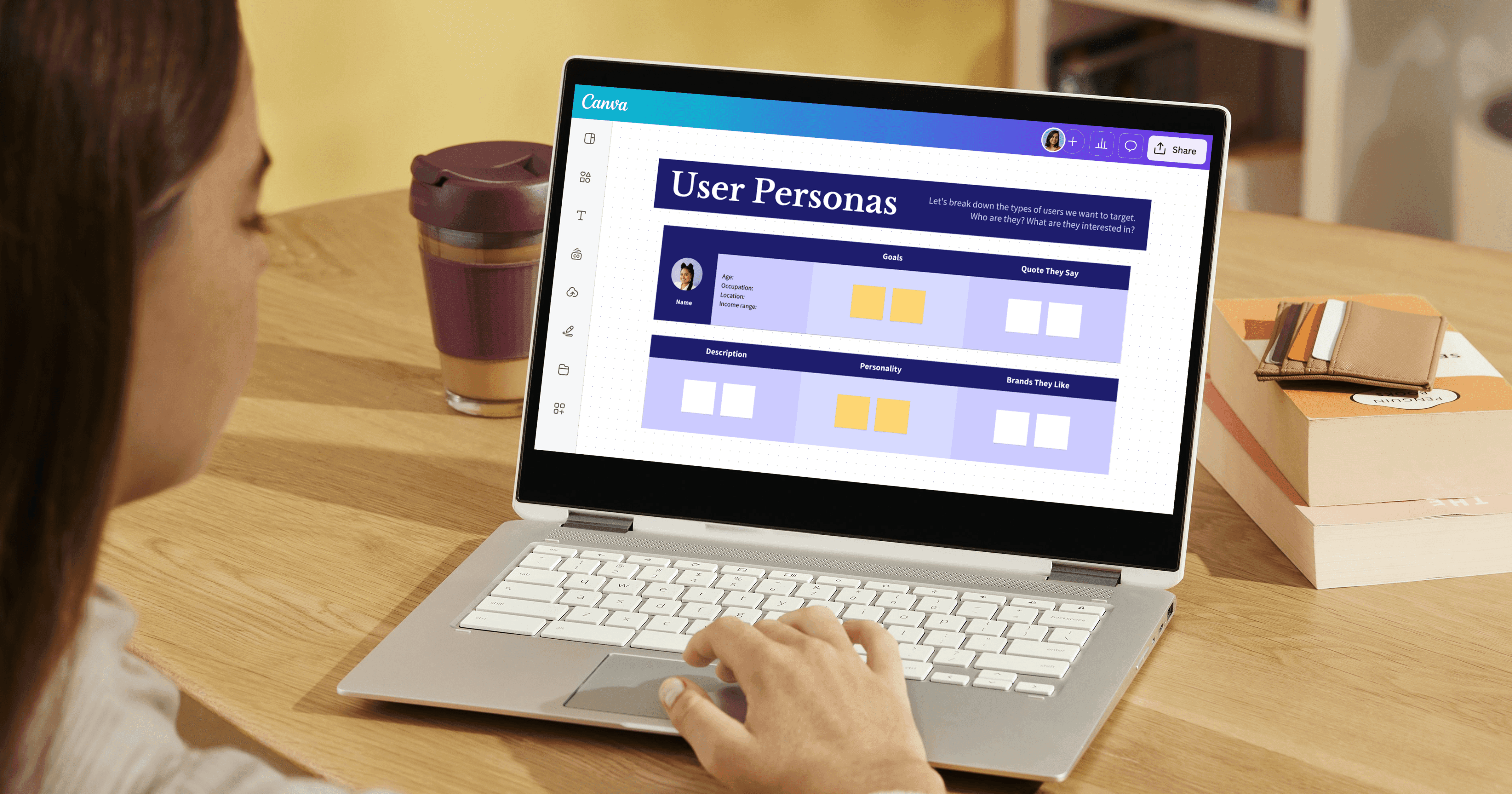
Most Canva voiceovers sound amateur, not because creators lack talent, but because they're recording while thinking. That overlap multiplies mistakes and retakes. When you press "Record" before structuring your script, your brain juggles reading, timing, tone, and error correction simultaneously. That cognitive load turns a 10-minute narration into 40 minutes of frustration.
Canva Encourages Instant Recording
The tool makes it easy to click "Record" immediately after finishing slides. Most creators follow that path:
Finish visual design
Press record
Start reading directly
Adjust timing mid-sentence
Speed feels efficient. But speed without structure creates friction. You're not recording a polished script. You're improvising while monitoring slide transitions, and that divided attention shows in every stumble.
Reading Visual Slides as a Script
Slides are built for visuals, not conversation. When you read slide text directly, sentences feel stiff, the tone sounds flat, and transitions feel abrupt. Written language and spoken language operate differently. That mismatch creates unnatural delivery. You're forcing your voice to follow a structure designed for eyes, not ears. The mechanism is simple: what reads well rarely sounds good when spoken aloud.
Monitoring Timing While Speaking
While recording, your brain juggles reading content, watching slide timing, avoiding mistakes, and maintaining tone. That is divided attention. Divided attention reduces vocal consistency. One small mistake triggers a restart. Another stumble triggers another restart. If each slide takes two or three attempts, a 10-minute narration becomes 30 to 45 minutes. The time doesn't expand because recording is hard. It expands because errors compound.
The Core Problem in One Sentence
It's not your voice. It's not Canva. It's a process overlap. When you think, record, and edit simultaneously, you create friction. When you script first, generate clean audio separately, then insert and sync, you remove friction. Friction removal is what makes 10 minutes realistic. Tools like Otio help researchers extract key information and organize findings quickly, applying the same principle: separate the thinking phase from the execution phase. When workflows fragment across multiple steps without clear boundaries, quality suffers and timelines stretch. But the real cost isn't just the extra 30 minutes you spend recording.
Related Reading
AI Document Review
What Is Document Review In Research
What Is Document Review In Law
How To Have Ai Review A Document
How To Have ChatGPT Review A Document
Document Management Best Practices
Which Platform Offers AI-powered Document Review?
Ai Knowledge Base
Ai Legal Document Review
How To Have Ai Review A Document
Ai Personal Knowledge Base
What Does Document Management Software Do
The Hidden Cost of Recording Directly Inside Canva
The damage isn't the 30 extra minutes. It's what happens after you hit publish. When your vocal delivery sounds uncertain, viewers leave within the first 15 seconds. Platforms like YouTube and TikTok prioritize watch time, so hesitant narration tanks your reach before anyone sees your message.
The Viewer Retention Problem
Inconsistent energy creates friction in the listener's brain. When your tone shifts mid-sentence or pacing feels uneven, viewers notice without knowing why. They just feel something's off. That discomfort triggers the back button. According to YouTube Creator Academy research, videos that lose 50% of viewers in the first 30 seconds rarely recover algorithmically, regardless of content quality. The platform interprets early drop-off as a signal that your video doesn't deliver what the title promised.
Why Flat Delivery Kills Engagement
When you record inside Canva while managing slides, your brain splits attention between reading, timing, and speaking. That cognitive overload drains vocal energy. You sound like you're reading a grocery list, not sharing something you care about. Many creators describe recording for hours without achieving the confidence they feel during live presentations. They stumble over words, repeat sentences three or four times, then edit out over half the audio track. The issue isn't skill. It's that multitasking reduces performance quality because working memory becomes overloaded.
The Compounding Time Cost
Each stumble triggers a restart. Each restart increases fatigue. Fatigue lowers vocal control. Lower control creates more stumbles. If a 10-slide video should take 10 minutes but each slide requires two or three attempts, you're now at 25 to 35 minutes. Add time spent reviewing, cutting mistakes, and adjusting timing, and you've burned 45 minutes on what should have been straightforward. The hidden multiplier isn't recording difficulty. It's the friction caused by overlapping tasks that should be handled separately.
The Workflow Separation Principle
When research teams juggle multiple browser tabs, note-taking apps, and generic AI tools at once, accuracy suffers, and timelines stretch. The same fragmentation problem appears in voiceover work. Tools like Otio help researchers separate information gathering from analysis by consolidating sources into a single workspace, reducing context switching that can cause errors. The principle applies universally:
When you separate thinking from execution
Quality improves and time compresses
Script first, record clean audio in one focused session, then sync afterward.
What Professional Delivery Actually Requires
Professional narration doesn't come from talent. It comes from removing the conditions that create mistakes. When your only job during recording is speaking words you've already written and practiced, your voice stays consistent. No mental juggling. No slide timing anxiety. No reading while performing. Just delivery. That separation transforms a 45-minute struggle into a 12-minute recording session with fewer retakes and better energy throughout. The question isn't whether you can record faster, it's whether you're willing to change the sequence.
Related Reading
Ai Document Extraction
Legal Document Management
Ai Prompts For Summarizing Reports
Best Way To Switch Between Ai Model Providers
How Many Questions Can I Ask ChatGPT for Free
Chat With Documents
Personal Knowledge Management Tools
How To Analyze A Research Paper
Ai Document Analysis
How To Summarize An Article With Ai
Chatgpt Token Limit
AI-Based Knowledge Management System
Best Tool To Chat With Documents
7 Practical Steps to Add a Professional Voiceover in 10 Minutes
1. Extract Your Script From the Slides
Copy all slide text into a blank document.
Remove bullet formatting.
Combine into one clean draft.
This takes 90 seconds if you don't edit while copying. Slides are visual prompts, not spoken scripts. When you try to read bullet points aloud, your delivery sounds like a corporate memo.
The cause is simple: visual bullet text creates stiff reading. Clean script creates natural flow. Eliminating mid-recording improvisation prevents the restart loop. When you press record without a finished script, your brain fills in the gaps on the fly. That improvisation sounds uncertain because it is uncertain. Viewers detect hesitation within seconds, even if they can't articulate why something feels off.
2. Rewrite for Spoken Delivery
Convert "Benefits include improved retention and increased productivity" into "This helps your audience remember more and actually take action." The difference isn't cosmetic. Written language follows grammatical rules designed for the eyes to scan left to right. Spoken language follows breath patterns and conversational rhythm. When those two systems clash, your voice stumbles over phrases that read perfectly fine on screen.
Add short sentences.
Add natural pauses.
Add conversational tone.
Fixing this reduces stumbles, re-reading, and retakes. Many creators describe recording for hours without achieving the confidence they feel during live presentations, then editing out over half the audio track. The issue isn't skill. It's that the written syntax doesn't match the spoken cadence.
3. Break Script by Slide
Separate your script into Slide 1, Slide 2, and Slide 3. Each block should match visual timing. Clear segmentation prevents timing confusion. No timing confusion means no restart loops. When your script lacks visual boundaries, you lose track of where one slide ends and another begins. That confusion forces you to stop, rewind the preview, check alignment, then restart recording. Each interruption drains vocal energy and extends your timeline.
4. Generate Clean AI Voice Audio
Instead of recording live, paste each slide script into a voice generator.
Select a natural tone.
Keep speed around 0.95 to 1.0x.
Export as MP3.
AI voice generation removes breath noise, inconsistent volume, energy drops, and microphone issues. You save time because there are no retakes, no background issues, no vocal fatigue. The shift feels counterintuitive at first. Recording your own voice feels more authentic. But authenticity doesn't come from your vocal cords. It comes from confident delivery of well-structured content. When you eliminate technical variables like microphone placement and background hum, you isolate the only variable that actually matters: your script quality.
5. Insert Audio Into Canva
Upload MP3 files.
Drag to correct the slide.
Trim to slide length.
Slightly adjust animation timing.
Because audio is clean, you don't need restarts. You only sync once. The workflow mirrors how professional video editors work: record all narration in one focused session, then assemble afterward. Trying to record and sync simultaneously splits your attention between performance and technical execution. That division guarantees mistakes.
Consolidating the Research Workspace
When research teams juggle multiple browser tabs, note-taking apps, and generic AI tools at once, accuracy suffers, and timelines stretch. The same fragmentation problem appears in voiceover work. Tools like Otio help researchers separate information gathering from analysis by consolidating sources into a single workspace, reducing context switching that can cause errors. The principle applies universally: when you separate thinking from execution, quality improves and time compresses.
6. Preview Once, Don't Rebuild
Watch full playback.
Check slide transitions.
Confirm pacing.
Adjust one to two seconds if needed.
One review. Not five.
The temptation to perfect every micro-detail creates diminishing returns. After the first full preview, additional tweaks rarely improve viewer experience. They just extend your production time. Perfectionism disguises itself as quality control. Real quality control means ensuring your message lands clearly, and your pacing feels natural. Once those two conditions are met, additional edits become procrastination. Ship the video and start the next one.
7. Export Immediately
Once pacing is clean, export and move on. No over-editing. No perfection loop. The old workflow required you to think, record, adjust, and restart, consuming 30 to 45 minutes. The new workflow follows script, generate, insert, sync, taking roughly 10 minutes. You removed cognitive overload, restart loops, live mic errors, and improvised pacing. The time reduction comes from friction removal, not from rushing. Friction appears whenever two incompatible tasks compete for the same mental resources. Reading while monitoring timing, maintaining vocal energy, and avoiding mistakes creates friction. Doing each task separately, in sequence, eliminates it. The result feels faster because it is smoother. But knowing the steps and actually executing them in 10 minutes are two different challenges.
The 10-Minute Canva Voiceover Sprint Plan
Execution speed depends on removing decision points during production. When you script first, generate audio second, and sync third, each phase has one job. No overlap means no mental switching cost. That compression turns a 45-minute recording marathon into a 12-minute assembly process.
Minutes 0 to 2: Lock the Script
Extract every word from your slides into one document. Strip bullet points. Rewrite phrases like "Key benefits include" into "This gives you three things." The goal isn't perfection. It's clarity before you touch any recording tool. When your script reads like a conversation instead of presentation notes, your voice won't stumble over corporate phrasing. Unclear scripts create restart loops because your brain tries to fix awkward sentences as you record. Fix the language now, speak it cleanly later.
Minutes 2 to 4: Segment by Slide
Break your script into blocks labeled Slide 1, Slide 2, and Slide 3. Each block should contain one main point, one explanation, and one transition sentence. Example: "This reduced response time by 40%. Here's how the system works." Clear boundaries prevent the confusion that forces you to stop mid-recording and check which slide you're narrating. When segmentation is tight, you never lose your place during playback review.
Minutes 4 to 7: Generate Clean Voice Audio
Paste each slide's script into a voice generator. Choose a neutral professional tone. Set speed to 0.95x or 1.0x. Export as MP3. This step eliminates microphone noise, breath sounds, energy inconsistency, and retakes. You're not recording while thinking. You're generating finished audio from finalized text. The time savings come from removing variables. No adjusting mic placement. No monitoring volume levels. No redoing sentences because a truck drove past your window.
Minutes 7 to 9: Insert and Sync in Canva
Upload each MP3 file. Drag it to the correct slide. Set audio to auto-play. Adjust the animation timing if one slide runs for five seconds, but your narration runs for seven. Because the audio is already clean, you're not trimming mistakes or cutting dead air. You're aligning timing. One pass. No iteration. The workflow mirrors how film editors work:
Record all dialogue in a sound booth
Then assemble the footage afterward
Trying to perform and edit simultaneously inevitably leads to errors.
Centralizing the Research Workflow
Many teams still juggle multiple tabs, switching between research documents, note apps, and generic AI tools while trying to maintain context. That fragmentation stretches timelines and introduces errors because attention splits across incompatible tasks. Platforms like Otio consolidate research sources into one workspace, letting you summarize documents, chat with sources, and draft content without losing context. The principle applies here: when you separate script creation from audio generation from final sync, each task gets full focus, and quality improves while time compresses.
Minutes 9 to 10: Full Playback Check
Run the entire presentation once. Confirm audio auto-plays on each slide. Check that tone stays consistent across transitions. Verify slide timing matches speech length. If one slide feels rushed, adjust that slide's animation duration by two seconds. Fix only what's broken. Don't rebuild what already works. Most creators waste time perfecting details that viewers never notice. Once pacing feels natural and transitions sound smooth, you're done. Export and publish. The old method required you to think, record, monitor, and restart simultaneously. The new method isolates each task into its own phase, reducing the cognitive load that leads to mistakes. But having a plan and actually using the right tool to execute it are different problems.
Create Your Canva Voiceover in 10 Minutes Using Otio
If recording inside Canva is costing you 30 to 45 minutes per video, the problem isn't Canva. It's recording while thinking. Instead of hitting record and restarting after every mistake:
Paste your Canva slide script into Otio
Choose a natural professional voice
Set pacing to 0.95x or 1.0x
Export clean MP3 files per slide
Upload them to Canva and sync once
No retakes. No mic setup. No vocal fatigue. In under 10 minutes, you'll have clean delivery, consistent tone, professional pacing, and higher viewer retention. Open Otio now, paste your first slide script, and generate your voice file. Then drop it into Canva and see the difference immediately. Professional sound isn't about better equipment. It's about a better workflow. Otio gives you that workflow.
Related Reading
Best Automation Tools For Document Management
Best Document Management Software For Law Firms
Ai Tools To Summarize a Research Paper
Best Document Management Software For Small Businesses
Best Hr Document Management Software
Legal Document Data Extraction
ChatGPT File Upload Limits
Top Ai Tools For Document Review
Best Ai Tools For Research Projects
Notebooklm Alternatives
Notebook Limits
Notebooklm Vs Notion
Best Document Management Software
Claude Ai File Upload Limits