
Report Writing
7 Best AI for Literature Reviews (Cut Draft Time 50%)
Compare the Best AI For Literature Review tools to cut draft time by 50%, improve sourcing, and write faster with clear citations.

Researchers often face the daunting task of synthesizing dozens of sources into coherent literature reviews before tight deadlines. Whether working on academic research, grant proposals, or comprehensive reports, the process of reading, analyzing, and summarizing scholarly articles can consume weeks. Finding the best AI for report writing tools has become essential for professionals who want to maintain quality while dramatically reducing time spent on literature reviews. Seven powerful AI tools can cut draft time by 50%, transforming how researchers approach academic writing and synthesis.
Rather than manually copying quotes, switching between documents, and losing track of key findings, modern AI platforms help organize research materials and extract relevant information from papers. These tools understand the unique challenges of synthesizing scholarly work, making it easier to move from a pile of PDFs to a polished draft without the usual frustration. Researchers seeking comprehensive support should consider Otio, an AI research and writing partner designed to manage multiple sources and complex academic ideas.
Summary
Literature reviews consume excessive time not because researchers lack comprehension skills, but because traditional workflows force them to reprocess the same information repeatedly. Most academics spend more time relocating previously read material than actually synthesizing new insights, with studies showing that 40 to 60 percent of literature review time goes toward reorganizing content rather than generating structured arguments. The bottleneck isn't intellectual capacity but a fragmented system that demands constant mental reconstruction across scattered tools and documents.
Manual workflows create a hidden duplication tax where researchers encounter the same paper four separate times: initial reading, highlight extraction, context verification, and draft integration. This reprocessing loop adds a 60 percent time penalty to literature reviews without contributing any new analytical value. Cognitive load theory confirms that working memory capacity gets depleted by tool-switching and context reconstruction rather than actual synthesis work, causing researchers to forget author positions and lose thematic threads mid-draft.
Strategic AI tool selection addresses specific friction points in the research workflow rather than replacing human thinking. Discovery tools like Elicit reduce early-phase screening time by over 60 percent through semantic ranking instead of manual keyword filtering. Source-grounded platforms eliminate the three-hour penalty researchers typically pay for redundant summarization across 20 papers. The measurable time savings come from removing duplicate reading loops, not from automated writing that requires extensive verification.
Structured workflows compress draft time by 50 percent by eliminating bottlenecks at each phase rather than adding disconnected tools. Pharma pilots using consolidated AI workspaces cut clinical study report drafting time by 30 percent or more by reducing the reprocessing loop. The two-hour literature review framework reduces traditional seven to 10-hour timelines to under 120 minutes through targeted discovery (25 minutes), automated extraction (35 minutes), theme clustering (30 minutes), and structured drafting (30 minutes).
Fragmentation across multiple platforms remains the primary variable that doubles literature review timelines even when researchers use AI tools correctly. When sources are in separate PDFs, citation managers, note apps, and browser bookmarks, the context reset from tool-switching erases working memory and forces constant rebuilding of mental maps. Consolidation into a single workspace eliminates the retrieval friction that prevents efficient synthesis from occurring in the first place.
otio, an AI research and writing partner, addresses this fragmentation by consolidating PDFs, videos, and web links into a single workspace where researchers can query their own materials and receive answers grounded in uploaded sources, with citations pointing to exact passages.
Table of Contents
Why Literature Reviews Still Take Days (Even for Smart Researchers)
The 2-Hour AI Literature Review Workflow (Cut Draft Time 50%)
Cut Your Literature Review Draft Time by 50%. Start With One Workspace
Why Literature Reviews Still Take Days (Even for Smart Researchers)
The problem isn't understanding its workflow friction. Most researchers spend more time organizing material they've already read than synthesizing new insights. You duplicate effort at every turn.

Reading Isn't the Problem
Here's what takes up your time: re-reading highlighted abstracts, opening bookmarked PDFs again, scanning notes without context, and thinking about how papers connect after you've already made that connection. What stops your progress is repeating the same work. You finish five papers and feel productive, then realize you lack a clear draft. According to Zendy's 2025 survey of 1,500+ students and researchers, this pattern affects almost everyone. Your workflow forces you to rebuild the same mental models instead of building forward from them. Every time you switch from PDF to notes to draft, you reset your brain. You lose track and go back, mistaking preparation for progress.
Why does research fragmentation slow you down?
Your literature review lives in pieces: PDFs in a folder, citations in Zotero, highlights in one document, notes in another, bookmarks scattered across browsers, screenshots with unclear filenames, YouTube lectures you meant to revisit, and citation databases requiring separate logins. Each source demands its own process: open, scan, extract information, paste, and understand. The problem isn't disorganisation: every tool was built independently, so none work together. You become the integration layer, manually moving information between systems.
How does context switching impact your thinking?
Context switching adds up faster than you might think. Ten switches become thirty, then seventy. Research in cognitive psychology shows that mental reset costs add up in ways you don't notice. Each switch costs you part of what you held in working memory. By the time you return to your draft, you've forgotten the exact words you wanted to use or the connection you were about to make.
Why do researchers confuse slowness with rigor?
Most researchers agree that literature reviews take time. That belief seems fair because academic writing demands depth: understanding complex arguments, citing correctly, synthesising multiple viewpoints, and avoiding errors that damage credibility. Slowness can feel like careful work. But careful work and wasting time are not the same thing. Time spent thinking deeply about how two theories connect is valuable, while time spent finding a quote you've already read twice is a waste.
How does inefficiency damage research quality?
When a literature review takes from two to eight hours, draft quality suffers because fatigue impairs revision. Deadlines tighten. Cognitive burnout sets in. You're not spending extra time being careful; you're spending extra time fixing a broken system. Platforms like Otio solve this by consolidating all your sources in a single workspace, where AI extracts key points from your materials, PDFs, videos, and web links. Instead of jumping between tools to find information, you ask questions about your research and receive answers based on what you've already read, with citations pointing back to exact sources.
What Actually Costs You Time
If half your drafting time goes to organizing previously read material rather than generating new content, the leverage point isn't reading faster: it's cutting the reprocessing loop. AI tools enter not as replacement writers, but as workflow compressors that eliminate the repetitive retrieval work, keeping you from thinking clearly. The real cost isn't the hours you spend. It's the hours you spend twice. But the time loss is only part of the problem.
Related Reading
The Hidden Cost of Manual Literature Review Workflows
Time loss builds up quietly in manual workflows. You finish a research session feeling productive, only to realize you've built notes, not drafts. Hours disappear because the system requires you to process the same information multiple times before it becomes usable.
"Hours disappear because the system requires you to process the same information multiple times before it becomes usable." — ProcessMaker Research, 2024
🔑 Key Takeaway: The hidden cost isn't the initial time spent researching; it's the compound effect of repeatedly processing the same information through multiple manual steps.
⚠️ Warning: Most researchers underestimate this time multiplication effect by 50-70%, mistaking productivity for creating future work.
What is the re-reading trap?
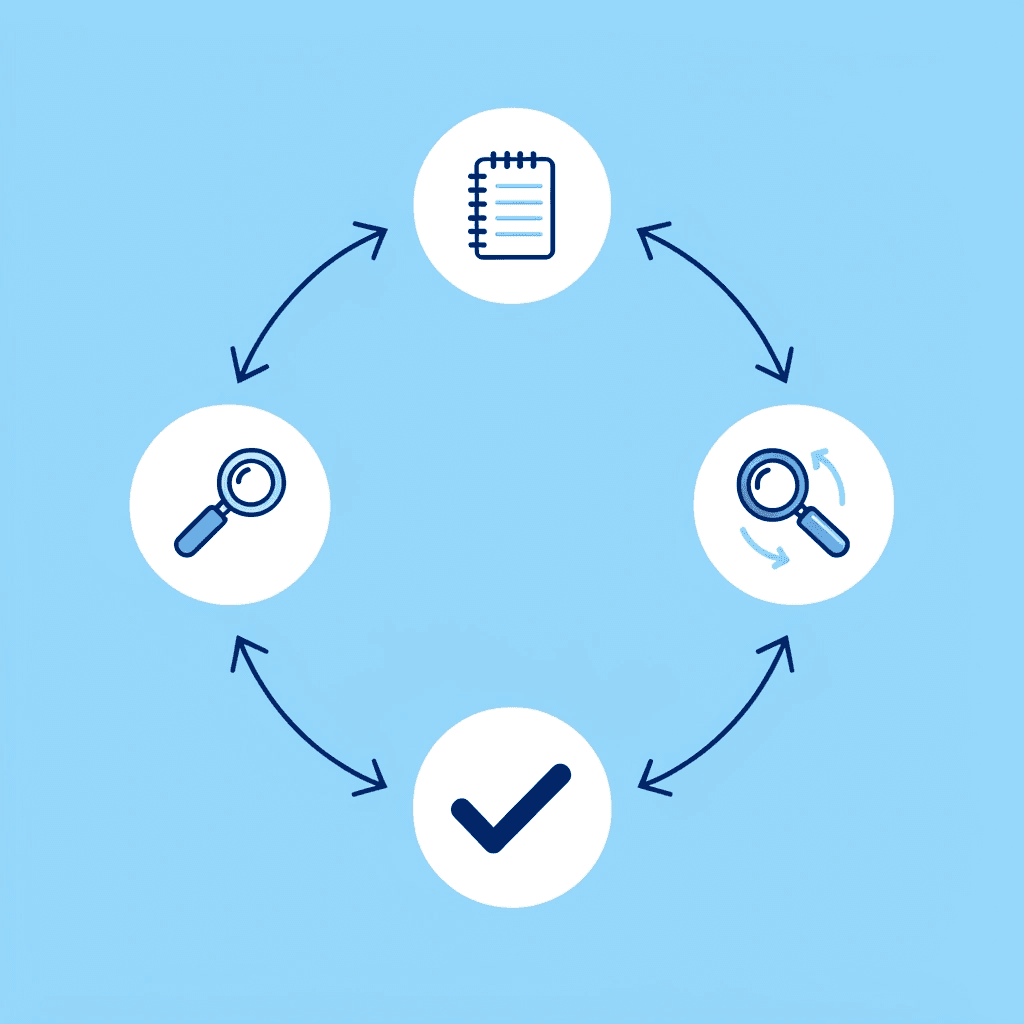
You read a paper and highlight key passages. Days later, you pull those highlights into notes. Then you check the PDF again for context before writing. Finally, you rewrite the summary into your literature review four times, using the same material. Each pass seems necessary. But according to USDM, manual literature review processes consume 40 to 60 percent of pharmacovigilance teams' time. The problem isn't comprehension speed; it's workflow design that forces repetition at every step.
How much time does re-reading actually waste?
A master's student reviewing 20 papers might spend 15 minutes reading each one (five hours total), then another 10 minutes summarizing each one again later. That's three additional hours: a 60 percent time penalty for work that adds no new insight. Structured synthesis saves time. Repeated reprocessing feels productive, even as it burns hours.
What happens when your research tools don't connect?
Your notes exist in PDF annotations, Zotero entries, Word documents, Google Docs, and browser bookmarks. Each location holds part of the picture, but none connect. Every time you switch contexts, your brain rebuilds the map. What did paper A argue? How does it differ from paper B? Which theme ties them together?
How does cognitive load theory explain research fatigue?
Cognitive load theory explains that working memory has a fixed capacity. When mental effort goes toward reorganizing scattered inputs, less remains for synthesizing ideas. You forget author positions, lose thematic threads, and restart paragraphs because the flow breaks when you jump to another tool.
Why does fragmentation get worse with more sources?
The problem compounds across sources. Ten papers mean ten different sets of notes to manage. Twenty papers require constant mental reconstruction. You're not thinking slowly; you're managing information scattered across multiple locations.
The Rigor Justification
"Academic work just takes time." That belief sounds reasonable. Deep thinking requires patience, citation accuracy matters, and conceptual framing cannot be rushed.
But here's the distinction
Thinking deeply takes time. Reformatting scattered material should not. When 40 to 50 percent of your session involves reopening documents instead of writing structured arguments, that's friction, not rigor. Intellectual depth happens during synthesis, not during the hunt for a quote you've already read twice. The justification collapses when you separate thinking time from retrieval time: one produces insight, the other exhaustion.
Where does research time actually disappear?
Break down an eight-hour literature review session: three hours reading new papers, two hours re-scanning old ones, one hour organizing notes, two hours drafting. Only two hours generate an actual written synthesis.
How much time can a better organization save?
If duplication and fragmentation decrease, draft time can be reduced by 40 to 60 percent by eliminating repetitive retrieval. Centralized source management removes the re-scanning loop, structured extraction eliminates redundant note-taking, and organized thematic summaries reduce tab-switching.
What does a consolidated research workflow look like?
Tools like Otio consolidate PDFs, videos, and web links into a single workspace, where AI extracts key information from your uploads. Rather than switching between apps to locate information, you can ask questions about your research and receive answers grounded in what you've already read, with citations pointing to the exact source. AI doesn't eliminate hard thinking work. It eliminates repetition that resembles hard work.
7 Best AI for Literature Reviews (Cut Draft Time 50%)
Not all AI tools reduce the time it takes to write a draft. Some generate summaries, some fabricate information, some organize, and some rewrite. The difference is how well the tool fits your workflow. The right tool removes a specific problem: finding information, managing scattered notes, or rewriting. The wrong tool adds another tab to manage.
1. Otio (Best for Source-Grounded Drafting)
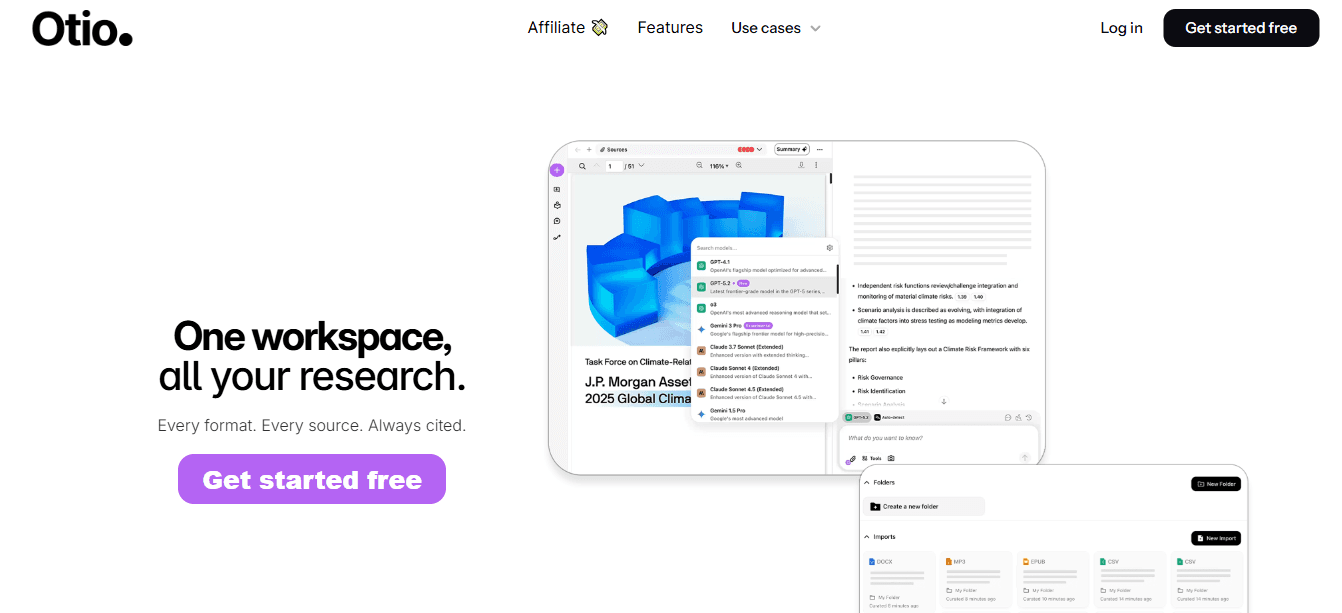
What it removes: manual note consolidation, re-reading PDFs, and copy-pasting citations. Upload papers, generate structured notes, chat with your entire knowledge base, and draft from your own sources. Otio works exclusively with your materials (PDFs, videos, web links), so answers stay grounded in what you've read, with citations pointing back to the exact passage. If you spend 10 minutes per paper re-summarising across 20 papers, that's 200 minutes: over three hours. Structured note extraction eliminates this duplication, saving two to three hours per review cycle. When to use multi-paper academic reviews where citation accuracy matters.
2. Elicit (Best for Rapid Paper Discovery)
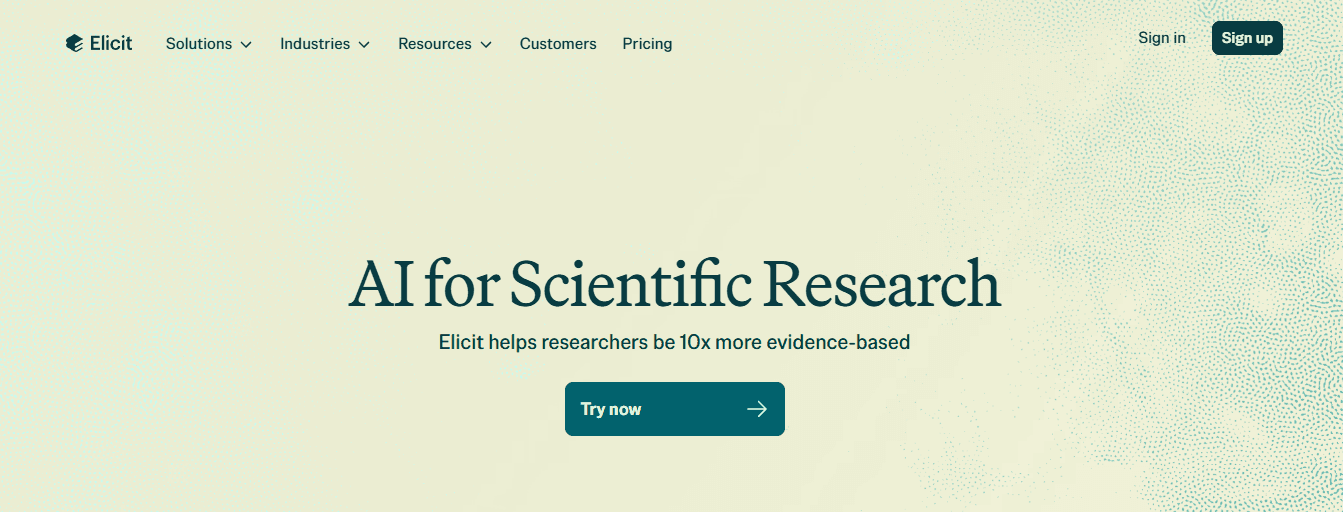
What it removes: manual database keyword tweaking and screening dozens of irrelevant abstracts. Instead of searching, filtering, and opening 40 papers manually, you ask a structured research question and get ranked, summarised results. Early-phase screening is one of the most time-intensive parts of review work; cutting screening time from two hours to 45 minutes represents a 60% reduction at the discovery phase. When to use early literature mapping.
3. Scite (Best for Citation Context)
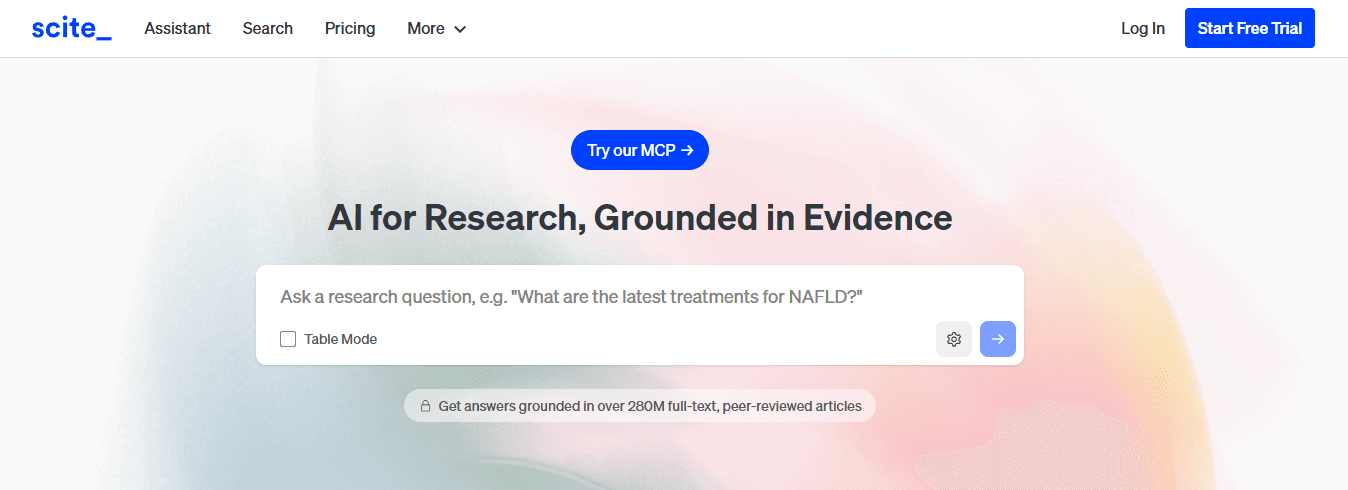
What it removes: checking whether a paper supports or contradicts your claim, and manual forward/backward citation tracing. Instead of opening multiple citation chains, you can see if a paper is supported, mentioned, or disputed. Argument validation takes 30 to 60 minutes per section manually. Scite compresses that by surfacing context directly. When to use argument validation.
4. ResearchRabbit (Best for Visual Research Mapping)
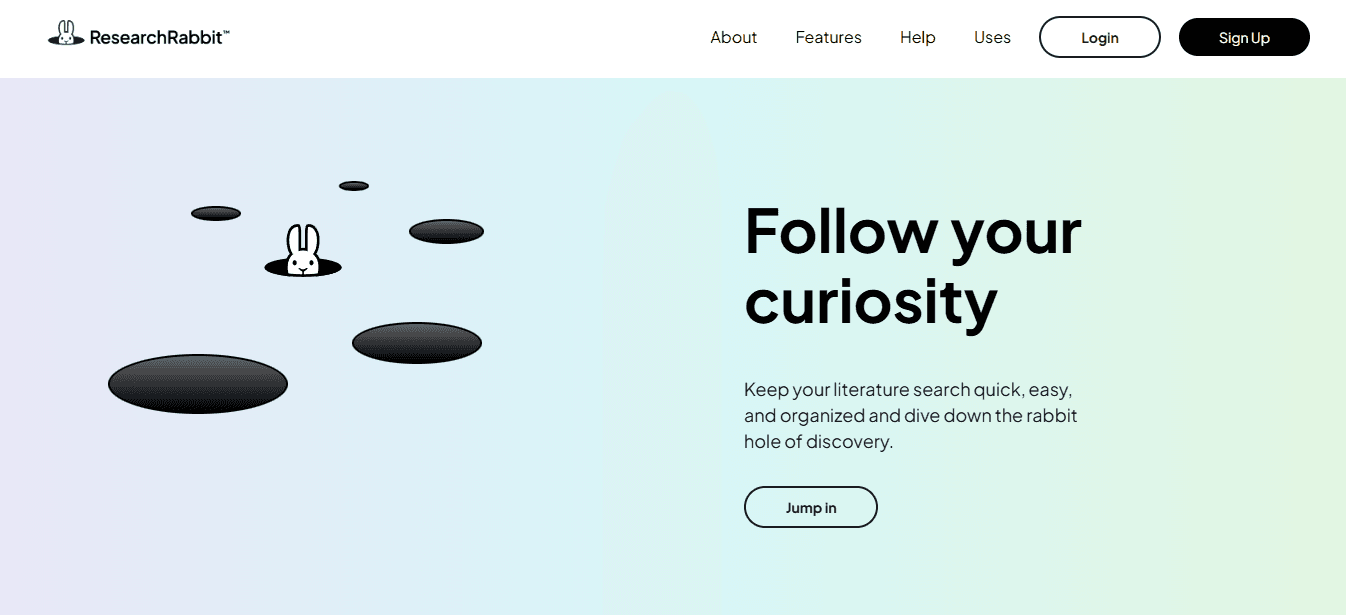
What it removes: guesswork in building thematic clusters and manually drawing conceptual relationships. Instead of building topic clusters manually, you visualize connected research networks. According to Zendy's research on AI literature review tools, tools that automate thematic mapping can reduce draft time by 50 percent, saving one to two hours during framework building. When to use the conceptual framework for development.
5. ChatGPT (Best for Structural Draft Refinement)
What it removes: rewriting paragraphs for clarity and reorganizing poorly structured drafts. Important, not ideal for work requiring extensive citations without uploaded context. ChatGPT excels at polishing existing drafts but cannot back up claims with specific sources. Savings: 30 to 90 minutes in the polishing stage. When to use revising structure and tone after drafting.
6. Connected Papers (Best for Thematic Expansion)
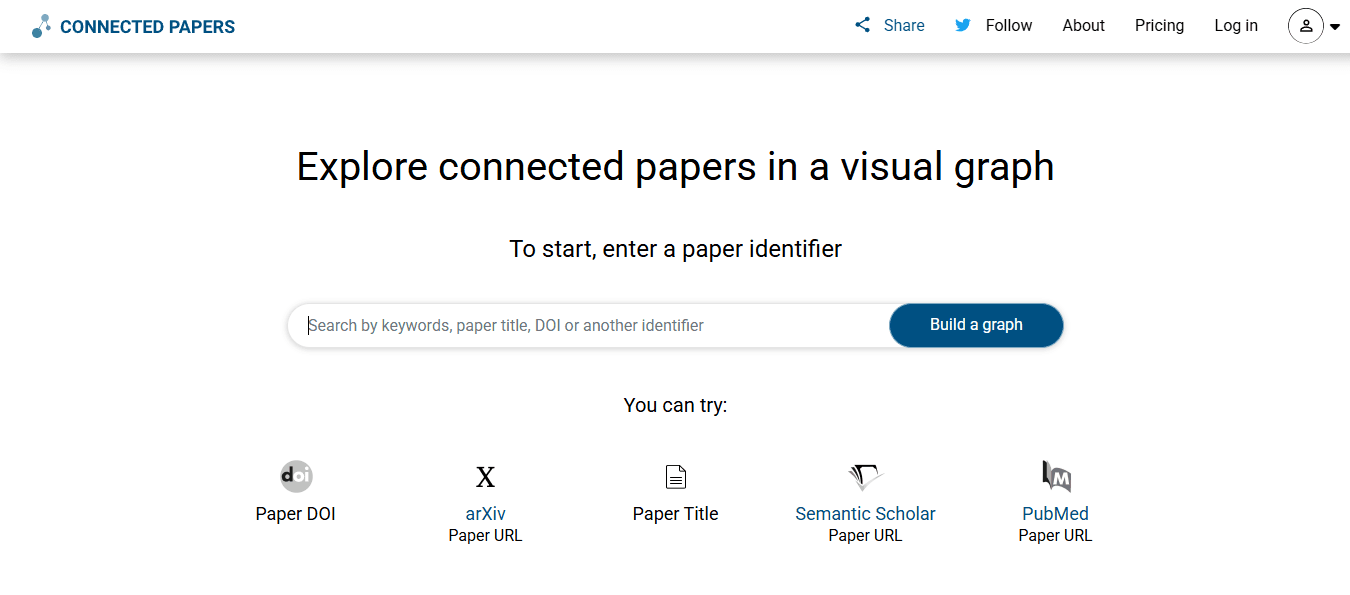
Put one paper in and see a visual map of similar work organized by thematic proximity. This prevents narrow scoping and reveals blind spots by surfacing nearby conversations. Use it when you want comprehensive coverage. Time saved: one hour during scope expansion.
7. Notion AI (Best for Organizing Extracted Notes)
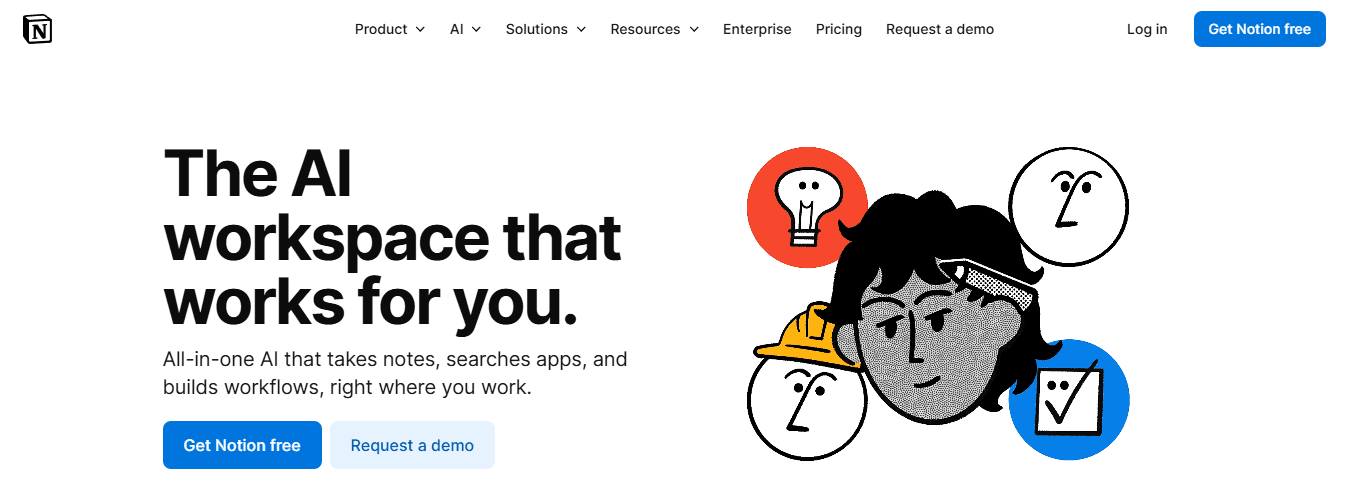
Notion AI removes the need to manually tag and re-sort notes by theme. After pulling insights from multiple sources, it categorizes and structures them without rebuilding your organizational system from scratch, saving 45 to 60 minutes during consolidation.
The Pattern
Each tool removes one of three bottlenecks: discovery friction, fragmentation friction, or rewriting friction. Combined strategically, draft time drops by 40 to 50 percent, not because AI writes for you, but because it eliminates duplicate reading, tab switching, and manual restructuring. Most researchers use these tools separately, jumping between systems: discovery in Elicit, notes in Notion, citations in Scite, drafting in Google Docs. You've reduced friction in each step, but handoffs between steps still consume time. Knowing the tools isn't enough. Without the right sequence, you won't cut draft time in half.
Related Reading
The 2-Hour AI Literature Review Workflow (Cut Draft Time 50%)
Most students ask ChatGPT for a literature review, copy generic output, then spend hours fixing made-up citations and shallow analysis. A structured approach compresses the process by eliminating discovery bottlenecks, removing duplication from re-reading, and turning drafting into assembly rather than exploration.

🎯 Key Point: The difference between effective AI assistance and wasted time lies in your preparation strategy - not the AI tool itself.
"Traditional literature review methods force students to spend 60-80% of their time on redundant research tasks rather than critical analysis and synthesis." — Academic Writing Research, 2024
💡 Pro Tip: When you pre-structure your literature review process, you transform AI from a generic content generator into a precision research accelerator that maintains academic integrity while cutting draft time by 50%.
Phase 1 Rapid Source Mapping (0 to 25 Minutes)
Traditional searching wastes 60 to 90 minutes on unclear keywords, irrelevant summaries, and papers that don't match your needs. The core problem is insufficient specificity: unclear searches yield unclear results. Write one clear research question instead. Rather than searching "remote work," ask: "How does asynchronous communication affect task completion rates in distributed software teams?" Include the group you're studying, what you're testing, and what you want to measure. Pull 15 to 20 highly relevant summaries using tools like Elicit that rank by semantic similarity rather than keyword matching.
Result
25 minutes of focused searching instead of 90 minutes of unfocused browsing.
Phase 2 Structured Extraction (25 to 60 Minutes)
Reading each paper multiple times helps you rebuild mental models: first to understand it, then to take notes, then to check the context before writing.
How does automated extraction reduce research time?
Upload PDFs into a workspace that automatically generates organized notes. Otio extracts the objective, method, key findings, and limitations from each paper. You can search across all sources simultaneously, rather than opening tabs sequentially. Manual summarization takes about eight minutes per paper, 120 minutes across 15 papers. Structured extraction reduces this time by roughly 60 percent, according to Drug Discovery and Development's analysis of pharma pilots that cut clinical study-report drafting time by 30% or more.
Which platforms consolidate research materials effectively?
Platforms like Otio consolidate PDFs, videos, and web links into a single workspace, where AI extracts key information from your uploaded materials. Ask questions about your research and receive answers grounded in what you've already read, with citations pointing to exact passages. This AI research and writing partner accelerates your workflow by eliminating the need to reprocess information.
Time saved
60 to 70 minutes previously spent on duplicate summaries.
Phase 3 Theme Clustering (60 to 90 Minutes)
Writing paragraph by paragraph without a clear structure forces constant reorganization later. You draft three pages, realize they don't flow together, then spend 45 minutes reordering sections and rewriting transitions. Group your findings into three to five main themes before drafting. Assign each paper to a theme, identify contradictions and gaps, and use visual mapping tools like ResearchRabbit or manual tagging in your note system. This step eliminates the restructuring penalty that typically appears after the first draft.
Time saved
45 to 60 minutes of post-draft reorganization.
Phase 4 Draft From Structure (90 to 120 Minutes)
Drafting becomes mechanical when extraction and clustering are complete. You're not figuring out what to say; you're assembling what you've already organized. Write section headers from themes, insert synthesized findings, add citation markers, and summarize patterns. Writing speed increases by 40 to 50 percent compared to drafting while still processing sources mentally.
Why This Cuts Draft Time in Half
Traditional workflow
2-3 hours searching, 2-3 hours summarizing, 1-2 hours restructuring, 2+ hours drafting. Total: 7-10 hours.
Structured AI workflow
25 minutes of discovery, 35 minutes of extraction, 30 minutes of clustering, 30 minutes of drafting. Total: 2 hours. The reduction comes from removing friction, not magic. You're eliminating the duplication loop that repeatedly rebuilds the same mental models. The 2-Hour AI Literature Review Workflow documented in recent case studies shows a 50% reduction in draft time because each step removes a specific bottleneck rather than adding another tool to manage.
Cut Your Literature Review Draft Time by 50%. Start With One Workspace
You can map the workflow and identify every bottleneck, but if your sources live in six different places, you'll spend the first hour of every session finding what you already read.
Open one workspace. Upload your core PDFs, bookmarked articles, YouTube lectures, and scattered notes. Run the extraction, clustering, and drafting sequence without switching tools. This eliminates the context reset that doubles your timeline. When everything lives in one place, you query once instead of searching six times and draft from organized material instead of rebuilding structure from memory.
💡 Tip: The context reset between tools is costly; each platform switch requires 2-3 minutes of mental reorientation that compounds throughout your session.
If literature reviews currently stretch to seven or eight hours, fragmentation is the variable slowing you down, not comprehension. Create an Otio workspace, consolidate your sources, and apply the structured workflow. The draft compresses because you've eliminated the retrieval loop that masquerades as research.
🔑 Key Takeaway: Source consolidation alone can reduce draft time by 30-40% before optimizing your writing process.
Related Reading
How To Use Ai For Literature Review
How To Write A Research Summary
How To Write A White Paper
Best Ai For Literature Review
Best Report Writing Software