
Report Writing
10 Ways to Automate Document Creation From Research in 1 Hour
Automate Document Generation in 1 hour with Otio. Get 10 proven methods to centralize research, auto-generate notes, and draft polished reports fast.

Gathering extensive research data, conducting interviews, and analyzing the results are only the start; the challenge lies in turning raw material into polished documents. Turning detailed findings into coherent reports, proposals, or presentations often takes more time than anticipated. Automated document generation can reduce manual drafting hours to a single, efficient process, freeing up time for strategic work.
A systematic approach to streamlining content creation minimizes tedious formatting and repetitive rewriting tasks. Tools that process research material and produce structured drafts help bridge the gap between raw data and effective communication. Otio provides an AI research and writing partner that simplifies document creation, allowing users to focus on refining their message.
Summary
Manual document creation consumes 40% of professionals' time, according to LogixGrid's workflow analysis, while McKinsey reports that employees spend 2.5 hours daily searching for information. The bottleneck isn't writing ability. It's fragmented systems in which sources live across browser tabs, email attachments, PDF folders, and messaging apps, forcing researchers to rebuild their thinking from scratch for every new document rather than building on past work.
AI-powered note generation reduces manual documentation time by up to 70%, according to SenseTask's automation trends report. Gartner data show that manual document processing takes 15 to 20 minutes per source, meaning a dozen research papers require three to four hours of note-taking before any actual writing begins. Automated summarization compresses that entire phase into minutes while maintaining accuracy.
Structured knowledge systems cut document preparation time by 40 to 60% without reducing quality, according to Stanford productivity research. The speed gain comes from eliminating context switching, duplicate rereading, and structural uncertainty rather than from rushed work. Fast output and rigorous thinking aren't opposites when friction disappears from the workflow.
AI drafting tools work fastest when grounded in uploaded source material rather than generating generic content. Researchers who use source-based AI assistance spend cognitive energy on analysis and refinement rather than sentence construction, moving from blank-page paralysis to editing mode in under 15 minutes. Draft quality depends on the source quality, not on the tool itself.
The compounding cost of inefficient workflows becomes visible across semesters and careers, not individual projects. Two students with identical intelligence produce drastically different output volumes: one spends six days per document using manual methods, while the other completes the same work in 60 minutes through automated research-to-draft workflows. The performance gap widens with every assignment.
Otio consolidates research sources and generates drafts grounded in your materials, consolidating scattered workflows into a single workspace where sources, notes, outlines, and AI-assisted writing occur without tab switching or rereading.
Table of Contents
Why Turning Research Into Documents Takes So Long

Most people take days to turn research into a document. This delay stems from scattered sources, disorganized notes, and the need to start from scratch each time they begin writing. It's not that they are slow; instead, their workflow is inefficient. The problem starts before the writing process. Sources often exist in different ecosystems, like browser bookmarks, Google Docs, PDFs hidden in the downloads folder, YouTube videos watched last week, highlighted passages in physical textbooks, links sent via WhatsApp, and unorganized screenshots. Each piece of information is in a separate location, creating a disconnect from other important materials. With our AI research and writing partner, you can streamline the process by consolidating all your notes and sources in a single, cohesive platform, making document creation faster and more organized.
Why does writing take so long?
When it's time to write, you spend the first 20 to 40 minutes looking for information. You know you saved that important study somewhere. You remember the key quote, but not where it came from. Opening tabs, scrolling through folders, and searching your email only makes the struggle harder. The work hasn't even started yet, but you're already feeling tired. According to the McKinsey Global Institute, employees spend 2.5 hours per day searching for information. This time is not spent on writing or even thinking; it's spent on friction, the silent cost of a broken system. Our AI research and writing partner streamlines the process, allowing you to focus on creating content rather than searching for it. Because notes are often incomplete or messy, sources are frequently reopened to "check something again." You find yourself rereading abstracts, looking through methods sections, and hunting for specific arguments you marked but didn't summarize. This process also includes checking definitions that you thought you understood.
Is this effort really productive?
This may feel like being careful, but it's really a waste. The material has already been read, and the key ideas have been extracted. Because it wasn't properly documented the first time, the work needs to be done again. Time is spent reviewing everything rather than producing. This pattern happens with every document created. The same sources, the same confusion, and the same rereading process recur. While the knowledge is there, accessing it easily remains a challenge; an AI research and writing partner can streamline the process.
What are common note-taking mistakes?
Most people still take notes by copying paragraphs into separate documents, highlighting randomly without a clear system, and writing long summaries that seem productive but are hard to reuse later. Others type everything word for word. While this method may seem like progress because it involves action, it is actually slow and ineffective. Gartner reports that manual document processing takes 15 to 20 minutes per document. When you add up the time across a dozen sources, you can spend three to four hours just collecting notes. Despite all the hard work, momentum is lacking. The effort is not yielding progress because your notes remain unorganized and difficult to use when you're ready to write.
Why is writing structure important?
When it's time to write, you sit in front of a blank document and think, where do I even begin? Ideas are often scattered across different files, and sources are disconnected. Without an outline, you can only rely on a vague sense of what needs to be said. You start writing, then stop. You delete a paragraph, rewrite the introduction, and move sections around. You stare at the screen, unsure whether to lead with the data or the argument. The blank page isn't inspiring; it's paralyzing. This is the moment when most people lose hours. Not because they lack ideas, but because they lack structure. Writing without a framework is like building a house without a blueprint. You're constantly second-guessing, rearranging, and starting over. Our AI research and writing partner helps you create a cohesive outline that guides your writing process.
How does switching affect productivity?
When you are writing, you switch among your PDF reader, browser, Word document, notes app, and YouTube for the video you referenced, along with your reference manager. Each switch disrupts your focus, making it hard to follow your argument and remember what you intended to write. Our AI research and writing partner helps streamline the process, enabling more focused writing sessions. Your brain gets tired after just one page, not because the work is difficult, but because the environment is messy. You're not writing in flow; instead, you're writing in fragments, always interrupted by the need to search for information that should already be easy to find.
What is the cognitive cost of context-switching?
The cognitive cost of switching contexts is real. People write more slowly, make more mistakes, and feel less confident in their thinking when they cannot remember the whole argument while using different tools. Platforms like Otio combine research sources and AI-generated insights in a single workspace, eliminating the need to switch between tabs and tools. Researchers can ask their sources questions directly, create organized outlines, and draft sections without leaving the platform. This method saves hours of scattered work by consolidating it into a single focused session. Our AI research and writing partner enhances productivity by streamlining your workflow.
Why is systemization crucial for efficiency?
Without a systematized way to do research, every new document feels like starting over. This means you have to re-analyze sources you've already looked at, reconnect ideas you've explored before, reorganize arguments you've already structured, and redo the plan that you had mapped out earlier. The same mental effort is repeated repeatedly. Even simple reports can take days to complete because the work isn't built on what you've already done; it's mostly repetitive. The knowledge is in your mind, but it isn't saved in a way that helps you use it effectively again. This highlights the hidden cost of manual work. It's not just the time you spend on each document; it's the compounding inefficiency of not having a system that makes creating new documents easier than the first one.
How does this impact students?
A final-year student collects 12 PDFs, 6 articles, and 4 videos for a market research paper. They store these materials in different places: some in folders, some as bookmarks, and others in their email. When it's time to write, they spend 45 minutes searching for files, 1 hour rereading sources they have already reviewed, and 30 minutes organizing their notes into something that looks like an outline. They then spend 2 hours drafting the first section and another hour fixing the structure after realizing halfway through that their argument was backwards. In total, that adds up to more than five hours for just one section. This loss of time is not due to a lack of ability, but rather to a workflow that is inconsistent. The task itself isn't hard, but the friction around the work is what uses up valuable time. Using a tool like Otio as an AI research and writing partner could significantly streamline this process.
What are the long-term effects of a broken workflow?
If turning research into documents feels tiring, slow, and stressful, it's not your fault. It's a common outcome of having scattered sources, taking manual notes, lacking structure, switching tasks often, and repeatedly rebuilding work. Until these issues are solved, writing will always take more time than it should. That’s why finding an efficient writing partner can help streamline the process, allowing you to focus on what truly matters. The real cost extends beyond wasted hours; it also includes the consequences when this friction becomes a persistent issue.
Related Reading
The Hidden Cost of Manual Research and Writing

Working manually on research and documents doesn't just slow down progress; it quietly takes away time, reduces quality, and limits what you can achieve in a semester, a job, or a career. Most people think this is normal, but it comes with a serious cost. When research and writing are done by hand, every task takes longer, like finding sources, taking notes, checking facts, formatting references, reorganizing drafts, and rewriting sections. Each of these steps may seem small, but they really add up. According to LogixGrid's analysis of manual workflows, manual data entry consumes up to 40% of professionals' time. That's two full days each week wasted on inefficiency. You may feel busy all day, but you rarely finish anything. Work spills into evenings, weekends, and late nights. You’re active, but aren’t making real progress. The hidden cost isn’t just the lost hours; it’s the momentum you never build because you’re always trying to catch up.
Because writing often takes longer than you think, you find yourself working late nights, rushing at the last minute, submitting unfinished drafts, and losing sleep. Many students and researchers think this is unavoidable and believe that quality work requires suffering. It seems reasonable, as complex projects require significant effort. However, effort doesn’t have to be chaotic. The difference between productive struggle and destructive stress depends on whether your workflow helps or hinders you. When your workflow is ineffective, deadlines don’t motivate you; they control you. You’re not in charge of your time; rather, time is in charge of you.
What are the hidden costs of manual research?
The hidden costs include burnout, stress, and declining performance that build up over months. When time runs out, corners start to be cut: weak introductions, poor transitions, missing citations, shallow analysis, and unclear arguments. You know a better draft could be made, but the final document is often far from perfect; it's just the best you could finish in the time given.
Time pressure affects not only speed but also quality. It makes it harder to think deeply, connect ideas, and refine arguments. Writing turns from a way to express yourself into a struggle to just get by. The hidden costs show up as lower grades, weaker publications, and fewer chances: doors closing before you even know they are there. For those looking to improve their efficiency and writing quality, our AI research and writing partner can help streamline your process and enhance your output. Taking too long to create documents leads to submitting work later than your classmates, avoiding extra projects, skipping competitions, and passing up research opportunities. Because of this, those who work faster get noticed more, not because they are smarter, but because they are more efficient.
Why do manual workflows lead to inefficiency?
You watch colleagues produce twice as much work in the same timeframe and wonder if they're cutting corners or working all night. Sometimes they are, but often they've simply built better systems. They aren't more talented; they're less burdened by friction. The hidden cost is slower academic and professional growth, which widens the gap between where you are and where you could be. After many struggles, many people think that good research papers take weeks and that serious reports can't be done quickly, believing only experts can write fast. This belief seems logical based on what you see: peers are struggling, and professors discuss lengthy processes. You've faced the complexities of guidelines yourself.
Does faster work affect quality?
So you think that slowness means better quality. However, the data show this is not true. A Stanford productivity study found that structured knowledge systems can cut document preparation time by 40 to 60% without hurting quality. The issue isn't that good writing needs time. It's that bad systems waste time. Our AI research and writing partner offers tools that streamline your workflow and enhance quality, helping you achieve more efficient results. The hidden cost comes when you think slow progress is your only option. This way of thinking prevents you from asking whether the problem lies with you or your tools.
How does cognitive fatigue impact writing?
Manual workflows can overload the brain by requiring constant focus across multiple tasks, such as remembering where sources are, tracking ideas, managing citations, and organizing arguments. This constant mental juggling leads to cognitive fatigue. Writers don't just feel tired from working; they feel worn out from managing the work itself. Every decision, every switch, and every search takes away a bit more energy. Writing can be emotionally exhausting, not always because the ideas are difficult, but because the environment can feel unwelcoming. Instead of using their system, writers may end up fighting against it. The hidden cost of this struggle is huge: they stop writing for their own joy and only write when they have to. The fun of writing disappears, leaving a feeling of duty.
What are the benefits of better systems?
Platforms like Otio bring together research sources and AI-created insights into one workspace, so you don’t have to switch between different tabs and tools. Researchers can ask their sources questions directly, create structured outlines, and draft sections without leaving the platform. This method saves hours of scattered work by consolidating everything into a single focused session. Consider the differences between two students: Student A spends three days gathering sources, two days taking notes, two days writing, and one day refining the structure, creating constant stress. On the other hand, Student B spends just one hour uploading sources, gets auto-generated notes, uses a structured outline, and finishes a draft on the same day. Both students demonstrate the same level of intelligence and work on the same assignment, but their experiences differ due to their different systems.
How does friction affect productivity?
The difference isn't talent; it's friction. Student A works harder and achieves less, while Student B works smarter and moves faster. Over a semester, that gap can add up to many hours. Over a career, it becomes hundreds. The compounding effect of efficiency isn't always clear in a single project; it shows up in everything one gets done over time.
What is the overall cost of manual research?
Manual research and writing are time-consuming and can be exhausting. It can also make you feel less confident and affect your chances, grades, and career progress. Even though everyone around you may be having a hard time, remember that normal doesn't mean optimal. What if you could get rid of most of that struggle in less than an hour? Our AI writing assistant helps lighten the load.
10 Ways to Automate Document Creation in 1 Hour

You can only write quickly when your research is organized, summarized, connected, and reusable. Automation does this early work for you before you start writing. The ten methods below will help you combine scattered sources into a complete draft in about 60 minutes.
1. Centralize All Your Sources in One Workspace
Stop saving research in different apps and folders. Instead, upload PDFs, articles, links, videos, and notes to a single platform so everything is in one place. When your materials are in a single location, you reduce the 20 to 30 minutes most people spend searching across devices and tabs. By keeping everything in one workspace, you can start writing immediately without searching.
2. Auto-Generate Notes From Every Source
Let AI summarize your materials instead of manually taking notes. You can upload a document or paste a link, and the system will automatically generate structured notes. Key ideas, arguments, and quotes appear instantly without typing a single word. According to SenseTask's analysis of document automation trends, AI-powered note generation can reduce manual documentation time by up to 70%. You can skip hours of manual note-taking and focus on understanding what matters with our AI research and writing partner.
3. Extract Key Arguments and Evidence Automatically
AI can identify the main claims and supporting data in each source without requiring you to reread the full papers. Using AI tools, you can pull out main findings, methods, conclusions, and statistics in just a few seconds. This ability ensures you know exactly what each source contributes to your argument. There’s no need to search through 40-page PDFs trying to recall where that important data point was. Instead, the evidence you need shows up instantly when you need it. Additionally, leveraging our AI research and writing partner will further streamline this process.
4. Turn Notes Into a Draft Outline
Converting scattered notes into a clear structure is very important before writing even one sentence. AI can help organize notes into sections: introduction, literature review, analysis, discussion, and conclusion. With this setup, your document already has a basic outline. You won't be stuck looking at a blank page since the structure is there before you begin to write. This method eliminates the feeling of being stuck that often leads people to stare at empty screens for hours.
5. Use Source-Based Q&A for Instant Clarification
Instead of rereading materials to understand complex concepts, ask questions that relate directly to the content. Engage with your uploaded sources by asking, "Explain this theory simply" or "What evidence supports this claim?" This gives you a quick overview without having to search for long. Confusion won't slow you down because answers come in seconds instead of 20 minutes of struggling with highlighted passages that are hard to remember.
Many researchers are worried that relying on AI for clarification could make people dependent on it. This concern is understandable after years of building reading comprehension skills. However, AI question-answering does not replace understanding; it improves it. You continue to evaluate answers, connect ideas, and think critically. The key difference is that you focus your energy on analysis rather than searching for information you've already seen. Platforms like Otio ensure their AI responses are based on your uploaded sources, providing trustworthy, cited clarification rather than generic answers. The system points you to the exact passage that answers your question, shortening review time from minutes to seconds while keeping source integrity.
6. Auto-Link Related Ideas Across Sources
AI can help users connect similar ideas across different papers without manually tracking themes. By using tools that automatically group sources by topic, theme, or keyword, arguments can become clearer as related ideas surface. For example, users can identify patterns across 12 sources in seconds, whereas manual searches typically take an hour. This helps a stronger analysis develop more quickly, as connections emerge more easily. Our AI research and writing partner enhances this experience by streamlining the connection of concepts and improving the overall writing process.
7. Generate Citations and References Automatically
Don't format references manually; instead, use AI citation tools that automatically extract the author, year, and journal information from your sources. The correct references appear in seconds, matching APA, MLA, Chicago, or any style your school requires. This takes away the last-minute stress of formatting at 2 a.m. when you find out that half your citations are missing. While you write, our AI writing partner streamlines the process, allowing the bibliography to build automatically.
8. Reuse Proven Templates for Every Document
Stop redesigning the structure every time a new project begins. By creating templates for reports, essays, case studies, and reviews, you can reuse them forever. Each new document essentially starts halfway done since the framework already exists. Section headings are set up, and formatting is already decided. This method lets you put content into a ready-made structure rather than making one from scratch. As a result, writing becomes faster each time, eliminating the need to reinvent the wheel; our AI writing partner further streamlines the process.
9. Generate a First Draft From Your Sources
Turn your outline and notes into paragraphs automatically. By asking AI to draft sections using your uploaded research, you get a readable draft right away. This helps you avoid the frustration of staring at a blank page and wondering how to start. While the writing may not be perfect, it still needs your unique voice, analysis, and refinement. This process lets you move from research to editing in just a few minutes, rather than hours. Editing a draft is easier for your mind than creating one, as momentum replaces paralysis. With Otio, our AI research and writing partner, enhances your productivity by streamlining this entire process.
10. Edit With AI Feedback Instead of Starting Over
Refine your draft rather than rewrite it from scratch. Use AI to clarify, improve flow, strengthen your arguments, and simplify language. This method helps you get your draft ready for submission more quickly by polishing it rather than rebuilding it. Editing can take about 15 minutes, not two hours, because you're making specific improvements instead of doubting every sentence. As a result, the time difference between a rough draft and a final version decreases from days to minutes. To facilitate this, consider how our AI writing partner can help refine your work.
What is the overall advantage of automation?
The pattern across all ten methods is the same: automation handles repetitive, time-consuming tasks, so you can focus on thinking, analysis, and writing. While you’re not working less, youare focusing your attention on what really matters. Research still needs your judgment, arguments still require your insight, and the writing still shows your voice. However, the friction goes away. Tasks that used to take three days can now be completed in just 60 minutes, as your system helps rather than getting in the way. For those seeking a reliable solution, our AI research and writing partner streamlines your workflow.
Why Do Most People Struggle with Workflow?
Most people never question whether their workflow could be faster, as everyone around them seems to struggle too. Yet, struggle isn't something to be proud of; it often indicates broken systems. When we remove the difficulties, something surprising happens: tasks are not only done faster, but people also think more clearly, write more confidently, and create better work. This improvement occurs because energy can be focused on ideas rather than wasted on logistics. Our Otio solution is an effective AI research and writing partner that streamlines workflows and enhances productivity.
What should I consider when using these methods?
Understanding the methods is not the same as using them in the right order. Having an AI research and writing partner can enhance your process and help ensure you're using the most effective methods.
Your 60-Minute Research-to-Draft Plan
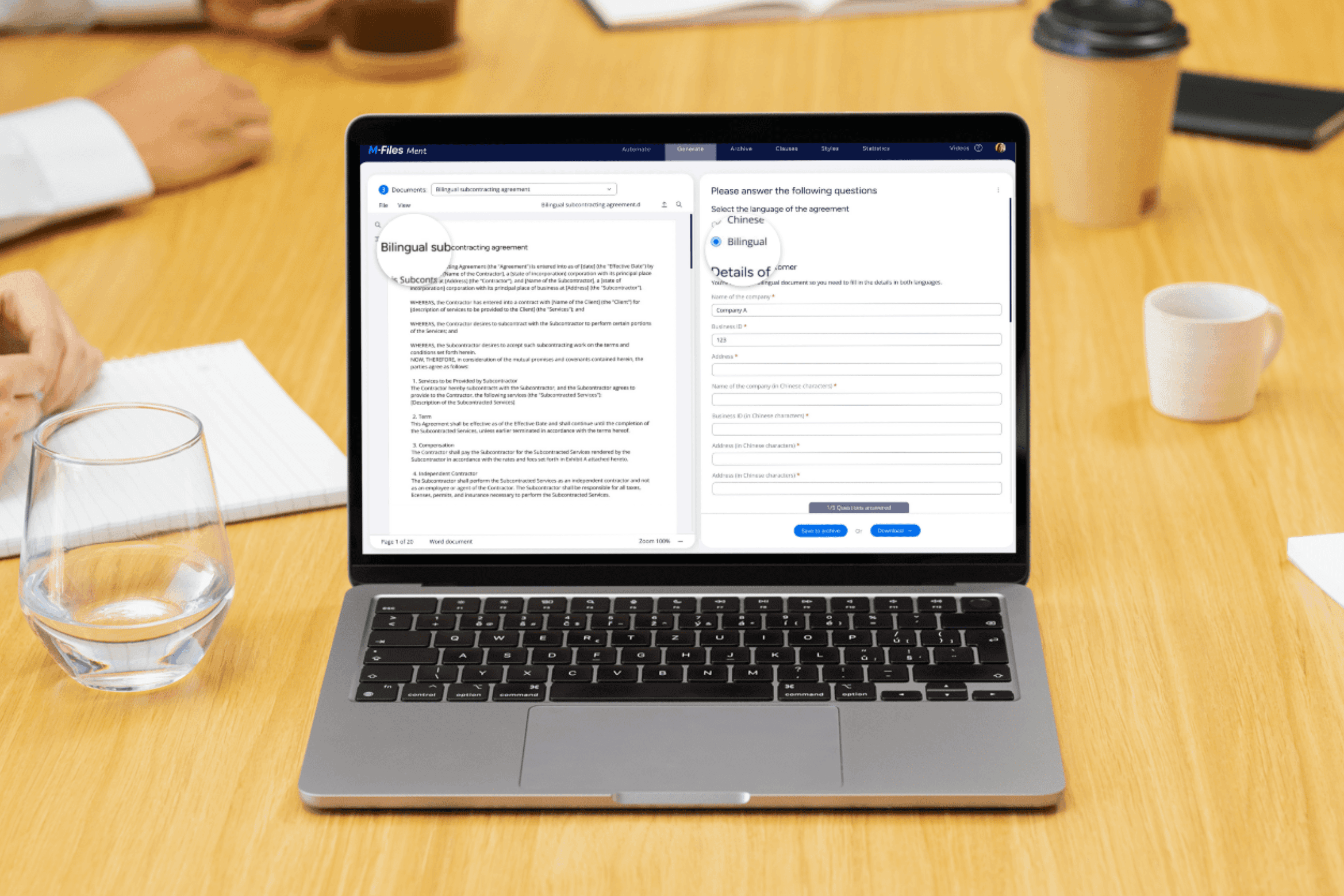
To turn research into a complete document in about one hour, you need a step-by-step plan that takes away confusion at every stage. The workflow below assumes you've already collected your sources. Now, you're changing your mixed materials into an organized draft without rewriting, rereading, or second-guessing your approach. This process aims to reduce problems, making writing easier rather than harder. Our AI research and writing partner can help streamline your drafting process, ensuring you stay focused and productive.
0 to 10 Minutes: Upload and Centralize Sources
Collect every PDF, article, link, and video you've saved. Avoid sorting or rereading them at this stage. Just gather everything into one location where it can be easily accessed without switching apps or opening new tabs. Upload all materials at once into a single workspace. The goal is to eliminate file-hunting before it begins. When your materials are in one place, you can save 15 to 20 minutes by avoiding time spent searching folders, email attachments, and browser bookmarks. You’ll have everything on one screen, allowing you to move forward immediately. Our Otio workspace streamlines this process by centralizing your materials.
Instead of summarizing each source by hand, AI can extract the key arguments, evidence, and conclusions for you. With just one click, you can wait a few seconds, and then readable notes will show up without you having to type a single word. This process reduces what used to take an hour to just 15 minutes. You're not losing understanding; instead, you're removing the mechanical labor of copying, highlighting, and reformatting information you've already learned. The output provides useful research notes organized by main ideas, supporting data, and key quotes. You'll understand what each source adds to your argument without needing to reread full papers or search through 40-page PDFs trying to remember where you found that critical statistic.
25 to 40 Minutes: Build Your Outline
Turn your notes into a logical structure before writing any sentences. Ask your system to organize the notes into sections: introduction, analysis, evidence, discussion, and conclusion. This framework will appear immediately. You will never have to deal with a blank page because the outline is already there. Instead of looking at a blank space and wondering where to start, you are filling in a coherent structure. This approach helps break the freeze that keeps most people stuck for an hour before they even start writing. Structure takes away uncertainty, and uncertainty kills momentum.
40 to 55 Minutes: Generate Your First Draft
Convert your outline into paragraphs using AI-assisted writing. You can draft sections directly from your sources without having to type out every sentence by hand. The prose isn't perfect; it needs your voice, your analysis, and your editing. This method helps you move from "researching" to "editing" in minutes rather than hours. Editing a draft is psychologically easier than creating one. You are improving what is already there rather than inventing words. The gap between a rough draft and a final version can go from days to minutes because you are making specific improvements instead of questioning every single sentence.
Many researchers worry that AI-generated drafts lack originality or depth. This concern is understandable, especially after years of developing a unique writing voice. However, AI drafting does not replace thoughtful analysis; it simply speeds up the process. Writers still evaluate arguments, refine logic, and add personal views. The difference is in spending energy on analysis rather than just forming sentences. Platforms like Otio create drafts from uploaded sources rather than producing generic content. As a result, your first draft reflects your research rather than fabricated information. The system pulls directly from the selected materials, preserving source integrity while reducing drafting time from hours to minutes.
55 to 60 Minutes: Review and Refine
Use AI feedback tools to improve clarity, fix flow, and strengthen your arguments. Your draft is ready for submission quickly because you're polishing rather than rebuilding. Now, editing takes only 15 minutes instead of two hours, as you focus on targeted improvements rather than questioning your entire structure. Check citations to make sure that evidence supports your claims. Make transitions between sections smooth and simplify overly complex sentences. This isn't deep revision; it's final cleanup. The heavy lifting was done in the previous steps, and our AI research and writing partner can enhance your editing experience.
Quick Checklist: Start in the Next 10 Minutes
Before you leave this page, make sure you complete these steps:
Open your workspace.
Create a new project.
Upload your research sources.
Generate notes.
Build an outline.
Draft the first section
That's all: no waiting and no delay.
Why does this method work?
Most people fail because they research first, take notes later, organize last, and write under pressure. This system changes that order: you organize, understand, structure, and then write. As a result, writing becomes faster and more controlled rather than chaotic and tiring. The pattern is the same at every step: automation handles repetitive, time-consuming tasks, allowing you to focus on analysis, thinking, and refinement. You're not working less; you're working on what matters. The research still needs your judgment, and the arguments still need your insight. Our AI research and writing partner enhances this process, ensuring your voice remains evident while reducing friction.
Can this be a repeatable habit?
A graduate student collects 15 sources for a literature review. Using the traditional method, they spend two days reading, one day taking notes, one day organizing, and two days drafting, for a total of six days. With a more efficient workflow, they spend only 10 minutes uploading sources, 15 minutes generating notes, 15 minutes outlining, 15 minutes drafting, and 5 minutes reviewing. This totals 60 minutes. Even with the same intelligence and the same assignment, the difference comes from the system used. The key difference isn't talent; it's friction. When you reduce friction, something surprising happens: you not only finish faster, but you also think more clearly, write more confidently, and create better work. This is because your energy can focus on ideas instead of getting caught up in logistics. However, turning this workflow into a habit requires one additional step that most people overlook.
Related Reading
Automate Your Document Creation in Less Than 1 Hour With Otio
The first step is simply to start. Avoid getting stuck in planning or optimization; focus on starting one project now, using a system that eliminates the friction you've been dealing with. Otio combines your sources, notes, outline, and draft into one workspace. You upload materials once, and the AI summarizes them, connects related ideas, structures your argument, and creates readable paragraphs based on your actual research. There's no generic content and no made-up citations: just your sources changed into a clear document while you focus on improving your ideas instead of struggling with the tools. Open Otio now. Create a workspace. Upload three sources you need for your next assignment. Generate notes.
See how quickly clarity replaces confusion when your research isn't scattered across twelve different places. Our AI research and writing partner helps streamline the process for you. This ten-minute test will show whether this workflow works better for you than the one that has worn you out for months. The difference between knowing a better system exists and actually using it depends on your willingness to try it before your next deadline arrives.
Related Reading
Document Generation Tools
How To Use Ai For Literature Review
How To Write A Research Summary
How To Write A White Paper
Best Ai For Literature Review
Best Report Writing Software