Study Guides
25 Resources for Board Prep Beyond Khan Academy
25 proven alternatives to Khan Academy for USMLE and shelf exam prep, grouped by question banks, videos, textbooks and practice tests that top scorers actually use.

You've watched the Khan Academy cardio playlist twice, then still miss an NBME question because the stem hides the diagnosis in one lab value. Use UWorld and official NBME forms for score movement; add Pathoma, Sketchy, Boards and Beyond, AnKing, and one shelf-specific book only when a rotation exposes a weak spot.
Khan Academy can explain the physiology. Board prep punishes recall without discrimination.
The mistake is buying six subscriptions and calling it a plan. The better move is a small stack: one question bank, one official practice source, one visual memory tool, one spaced-repetition loop, and a reference you actually open.
Who this list is for
This list is for M2s, M3s, and M4s who already know what a nephron is but keep getting boxed out by NBME phrasing. You’re past passive explanation. You need question stems that force a decision.
It’s also for students moving from Step 1 into clerkships, where the exam changes shape. Shelf exams ask whether you can manage the next step for a tired 67-year-old with three medications, not whether you can recite an enzyme pathway from memory.
Medical school libraries treat this category seriously for a reason. Michigan State University Libraries’ board-prep guide groups resources for USMLE, COMLEX, specialty boards, and related health-profession licensure exams, which is a decent proxy for how broad the prep problem has become.
If you’re trying to understand official shelf timing, start with Otio’s separate guide to how long shelf exams are. If you’re already buying practice forms, read the guide to NBME practice shelf exams before you burn through them too early.
A warning, because someone has to say it: if you’re six weeks out and haven’t done timed questions, another video series probably won’t save you. Videos patch holes. Questions reveal them.
How we picked these 25 resources
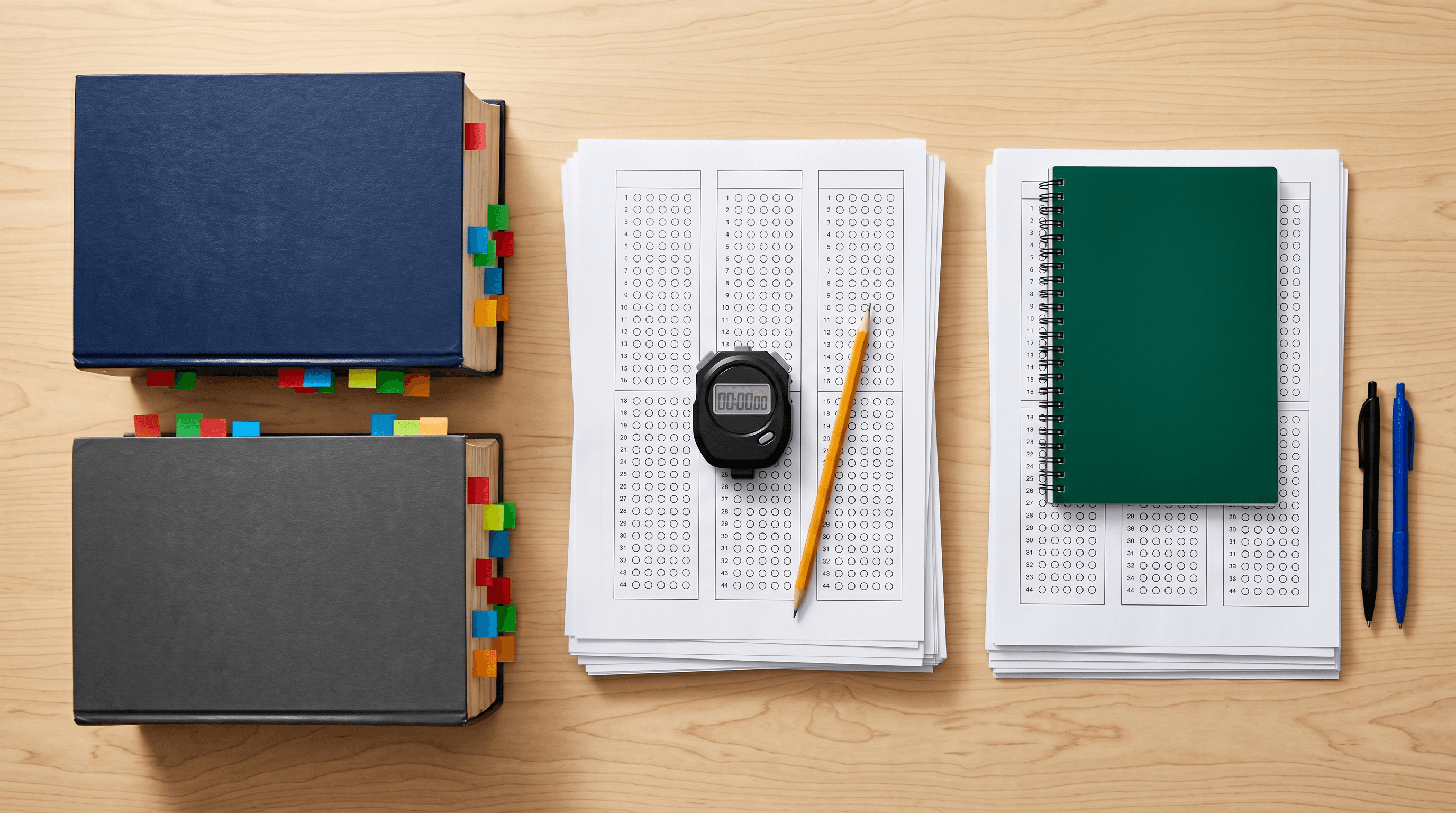
We picked resources the way students actually use them: question banks first, then videos, books, and spaced repetition. The list pulls from repeated mentions in 2025–2026 Step 1 and Step 2 discussions, then checks those signals against de-identified patterns from Otio study libraries. Reddit is noisy. Repetition across months is still useful.
We also looked for resources that survive the shelf-exam test. A tool can be great for learning immunology in January and useless for the surgery shelf in July.
Library guides helped separate real board-prep material from generic “study harder” content. A.T. Still University’s NBME Shelf Exams guide organizes subscribed review resources around boards, exams, and certifications rather than around broad course topics. That framing matches how students search the week before a clerkship exam.
In Otio’s unified Library and Reader, the resources that earned repeat opens were rarely flashy. They were the ones students returned to after missing a question: a UWorld explanation, a Pathoma page, a Case Files chapter, an AnKing card tagged to the exact topic.
Use this list as a buying filter:
If your problem is... | Start with... |
|---|---|
You keep missing NBME-style stems | UWorld, AMBOSS, NBME forms |
You understand topics but forget details | AnKing, Sketchy, Picmonic-style mnemonics |
Pathology keeps collapsing into word salad | Pathoma, Rapid Review Pathology |
Medicine shelf feels too broad | Step-Up to Medicine plus timed questions |
You’re wasting time switching tabs | Put the top five resources in one board-prep workspace |
For broader tool selection, Otio has a separate roundup of MCAT and USMLE study resources beyond Khan Academy. This piece stays narrower: USMLE and shelf prep after Khan Academy stops being enough.
Best question banks and practice exams
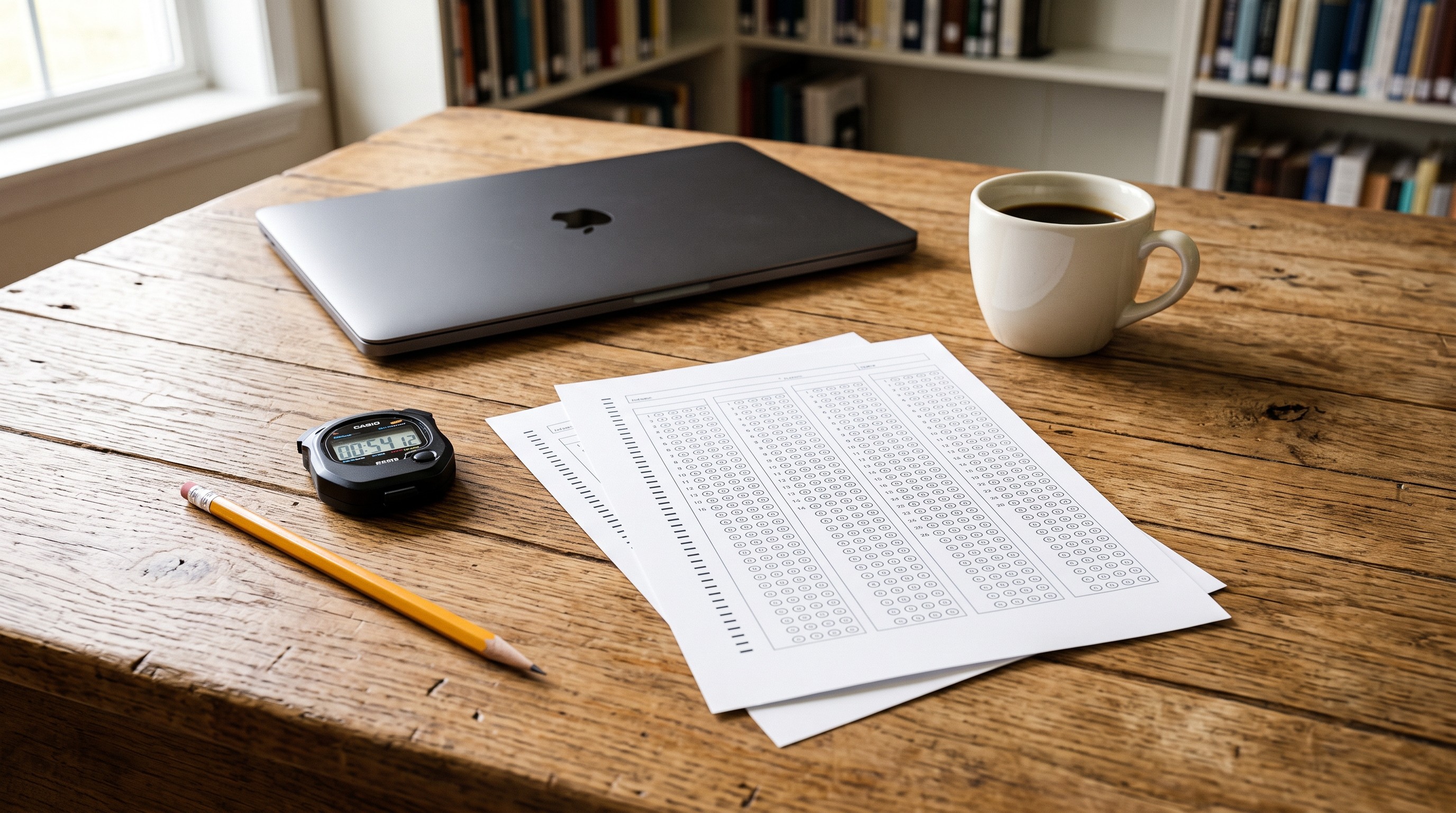
Question banks do two jobs. They teach content through explanations, and they train the annoying part of boards: choosing between two plausible answers while the clock keeps moving.
The Match Guy’s 2026 Step 2 CK resource guide describes effective Step 2 prep as question-based learning with targeted reinforcement and a small set of high-yield tools. That matches what most high scorers do in practice. They don’t read everything. They miss questions, repair the gap, then test it again.
1. UWorld Step 2 CK Qbank
UWorld is still the default for Step 2 CK and most clerkship prep. The explanations are the product: wrong-answer logic, test-taking traps, tables, and enough repetition that common NBME patterns start to feel familiar.
Use it timed and random once you’ve covered a shelf’s core material. Tutor mode feels productive, but it can hide pacing problems until the practice form exposes them.
Best for: Step 2 CK, medicine shelf, surgery shelf, pediatrics, OB/GYN, psychiatry.
2. AMBOSS Qbank
AMBOSS is strongest when you’re on rotations and need the integrated library. You miss a question on ascending cholangitis, click into the article, and get management steps without opening three tabs.
It can also punish you with harder-than-needed details. That’s useful after your base is stable. Earlier, it can make you weirdly good at zebras while still missing routine CHF management.
Best for: shelf exams, clerkship day-to-day lookup, surgery and medicine reinforcement. Otio’s guide to best shelf exam resources covers more rotation-specific combinations.
3. NBME Free 120 and official NBME forms
Official NBME questions are the closest thing you get to the exam’s accent. They’re shorter than UWorld, less explanatory, and often more clinical in their restraint.
Use them late. If you take an NBME form before you’ve done enough question-bank work, you learn that you’re underprepared and lose one of your best calibration tools.
YouSMLE’s guide to NBME self-assessments notes that shelf practice exams, also called Self-Assessments for Subject Exams or Clinical Sciences, are 50 questions and last 1 hour 15 minutes. That makes them useful for pacing practice, not just score prediction.
Best for: final two weeks before a shelf or Step exam.
4. UWorld Self-Assessments
UWorld Self-Assessments simulate the grind better than short practice sets. They’re less “official NBME flavor” than NBME forms, but they’re useful because they stress stamina and expose weak domains quickly.
Take one early enough to change the plan. Taking four self-assessments in the final week is mostly a stress ritual.
Best for: Step 1 pass/fail confidence, Step 2 CK score tracking, timed endurance.
5. Kaplan Qbank
Kaplan is a cheaper secondary bank for students who need more reps without paying for every premium option. The explanations aren’t as consistently sharp as UWorld’s, but the coverage is broad.
Use Kaplan when you’ve exhausted UWorld in a subject and still need repetition. Don’t use it as a way to postpone official NBME forms.
Best for: budget-conscious students, early M2 question exposure, weaker foundational topics.
6. TrueLearn
TrueLearn gets more attention from COMLEX students, but it can help anyone who wants a large volume of board-style questions. The style differs from NBME, so treat it as reinforcement rather than final calibration.
If your school mixes USMLE and COMLEX prep conversations, this is where confusion creeps in. Match the tool to the test you’re taking.
Best for: COMLEX-heavy programs, extra question volume, early content repair.
7. USMLE-Rx Qmax
USMLE-Rx ties tightly to First Aid. That makes it useful when you’re still building the Step 1 map and want questions that point back to the outline.
It’s less compelling as your only question bank for Step 2 CK. For Step 1 systems review, though, it can turn First Aid from a passive reference into an active loop.
Best for: Step 1 foundation, First Aid-linked review, pre-dedicated prep.
Best video and visual resources
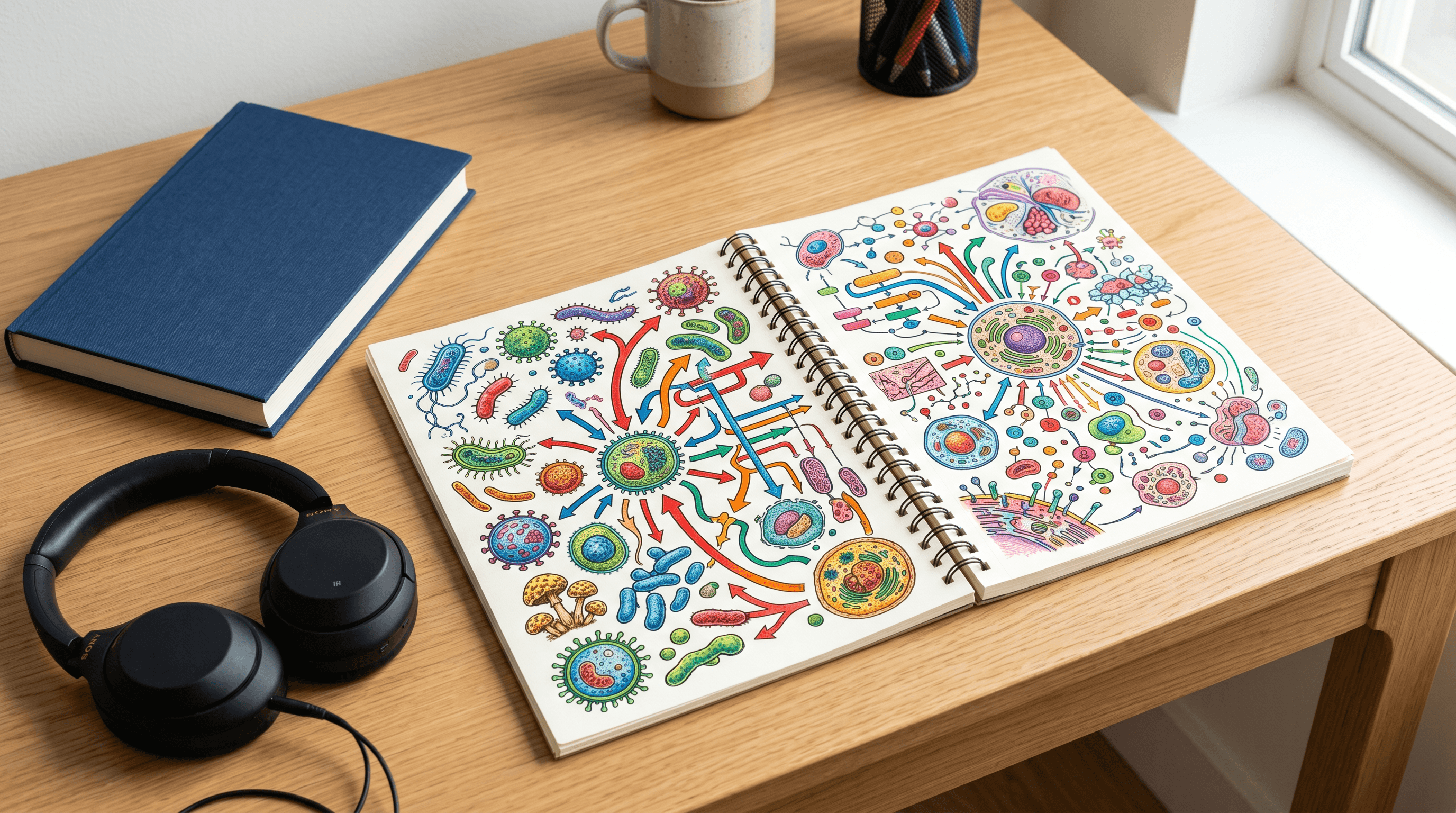
Videos are dangerous because they feel like studying even when you’re just letting someone else think. Use them for topics you keep missing after questions. Then stop.
Blueprint Prep’s Step 1 resource review notes the rise of comprehensive lecture series with hundreds of lectures, including Boards and Beyond and other large course libraries. Useful, yes. Also a trap if you try to “finish” them all.
8. Pathoma
Pathoma remains the pathology anchor because it explains disease mechanisms cleanly without drowning you. Chapters 1–3 are famous for a reason: inflammation, neoplasia, and cellular injury show up everywhere.
Pair it with questions. Watching the same video three times won’t fix a missed stem unless you translate the concept into retrieval.
Best for: Step 1 pathology, organ-system path, weak mechanism questions.
9. Sketchy Medical
Sketchy works because it gives memory a physical address. The ridiculous image is the point.
It’s strongest for microbiology and pharmacology. Pathology Sketchy can help too, but some students find it slower than Pathoma for mechanisms.
Best for: micro, pharm, bug-drug associations, long-term recall. For pharmacology-heavy prep, see Otio’s roundup of pharmacology textbooks and study resources.
10. Boards and Beyond
Boards and Beyond is the closest replacement for Khan Academy if you want broad coverage at board depth. It moves faster, assumes more background, and maps better to Step-style thinking.
Use it selectively. Cardiology murmurs? Great. Every video in sequence because you feel guilty? That’s how dedicated study disappears.
Best for: Step 1 systems, Step 2 foundations, students who want structured lectures.
11. Physeo
Physeo is useful when physiology or biochemistry feels abstract. The animations can make renal, pulmonary, and acid-base topics less brittle.
It’s especially good for students who liked Khan Academy’s explanatory style but need board-aligned detail. Otio’s biochemistry textbook guide pairs well with Physeo if pathways are your weak spot.
Best for: physiology, biochemistry, visual learners.
12. Dirty Medicine
Dirty Medicine is the rapid-review friend who tells you what to memorize and moves on. The ethics and biostats videos are especially high yield for students who hate those topics until the exam reminds them they exist.
Don’t build a whole plan around YouTube. Use Dirty Medicine for targeted repair the night after you miss a cluster.
Best for: ethics, biostats, quick mnemonics, final-week cleanup.
13. Med School Bootcamp
Bootcamp has become a serious Step 1 resource because it combines videos, questions, and study schedules in one place. The style is more guided than Boards and Beyond.
It’s a good fit if you need structure during preclinical blocks. If you already have UWorld, First Aid, Pathoma, and AnKing working, adding Bootcamp may be duplication.
Best for: Step 1 pass/fail prep, structured preclinical review.
14. OnlineMedEd
OnlineMedEd is more clinically oriented, and that makes it useful during clerkships. The best use case is reviewing management frameworks before doing questions.
Some content availability has changed over time, so check what your school provides before paying. Plenty of students have forgotten they already get access through institutional subscriptions.
Best for: clinical rotations, Step 2 CK frameworks, shelf review.
15. Divine Intervention Podcasts
Divine Intervention is the rare audio resource that can earn its time. The shelf-specific podcasts are useful during commuting, walking, and the dead time between cases.
Audio has a retrieval problem, though. If you hear a good point and don’t capture it, it’s gone. Convert repeated misses into Anki cards or a one-page note.
Best for: Step 2 CK, shelf exams, passive time that would otherwise be wasted.
Best textbooks and outlines

Books still matter because they give your prep a stable spine. The trick is choosing books that compress decisions, not books that make you feel virtuous for carrying them.
TCU’s medical exam prep guide points students toward shelf resources that include review questions, videos, images, drug information, and board-style explanations. That mix is what you’re looking for: reference plus testing, not reference alone.
16. First Aid for the USMLE Step 1
First Aid is the shared language of Step 1 prep. Its value comes from density and cross-referencing, not prose.
Use it as an index. When you miss a question, mark the concept, add the missing distinction, then return to questions. Reading First Aid like a novel is miserable and usually low yield.
Best for: Step 1 outline, AnKing cross-reference, final consolidation.
17. Step-Up to Medicine
Step-Up to Medicine is the classic internal medicine shelf book because it’s concise enough to finish and broad enough to matter. It works best beside UWorld or AMBOSS.
Read the relevant chapter before or after timed blocks, depending on how you learn. If you read everything first and save questions for later, you may overestimate how much you retained.
Best for: medicine shelf, Step 2 CK medicine, inpatient rotation review.
18. Case Files series
Case Files gives you clinical stories with teaching points. That format helps for rotations because shelves are built around patient presentations, not isolated facts.
The series is uneven by subject, but it’s often good enough for surgery, OB/GYN, family medicine, and pediatrics when paired with questions.
Best for: shelf exams, clinical reasoning, rotation-specific review.
19. BRS Physiology
BRS Physiology remains useful because physiology errors cascade. If you misunderstand Starling forces or acid-base compensation, several organ systems get shaky.
The board-style questions at the end of chapters make it better than a passive textbook. Use those questions aggressively.
Best for: Step 1 physiology, renal, pulmonary, cardio foundations.
20. Rapid Review Pathology by Goljan
Goljan is denser than Pathoma and more old-school. Some students love the margin notes and images; others bounce off the size.
Use it as a reference when Pathoma feels too light. Don’t decide in dedicated study that you’re suddenly going to read the whole thing cover to cover. That’s usually fantasy.
Best for: pathology depth, image-heavy review, Step 1 enrichment.
21. DeVirgilio’s Surgery
DeVirgilio’s is a strong surgery shelf book because it teaches surgical decision-making through cases. The surgery shelf often behaves like a medicine exam wearing scrubs, and this book reflects that.
It’s longer than some students expect. Pair chapters to your rotation schedule instead of saving the whole book for the final week.
Best for: surgery shelf, clinical cases, management sequencing.
For anatomy-heavy weak spots, Otio has separate guides to anatomy books for med students and anatomy and physiology resources.
Best apps and spaced-repetition tools
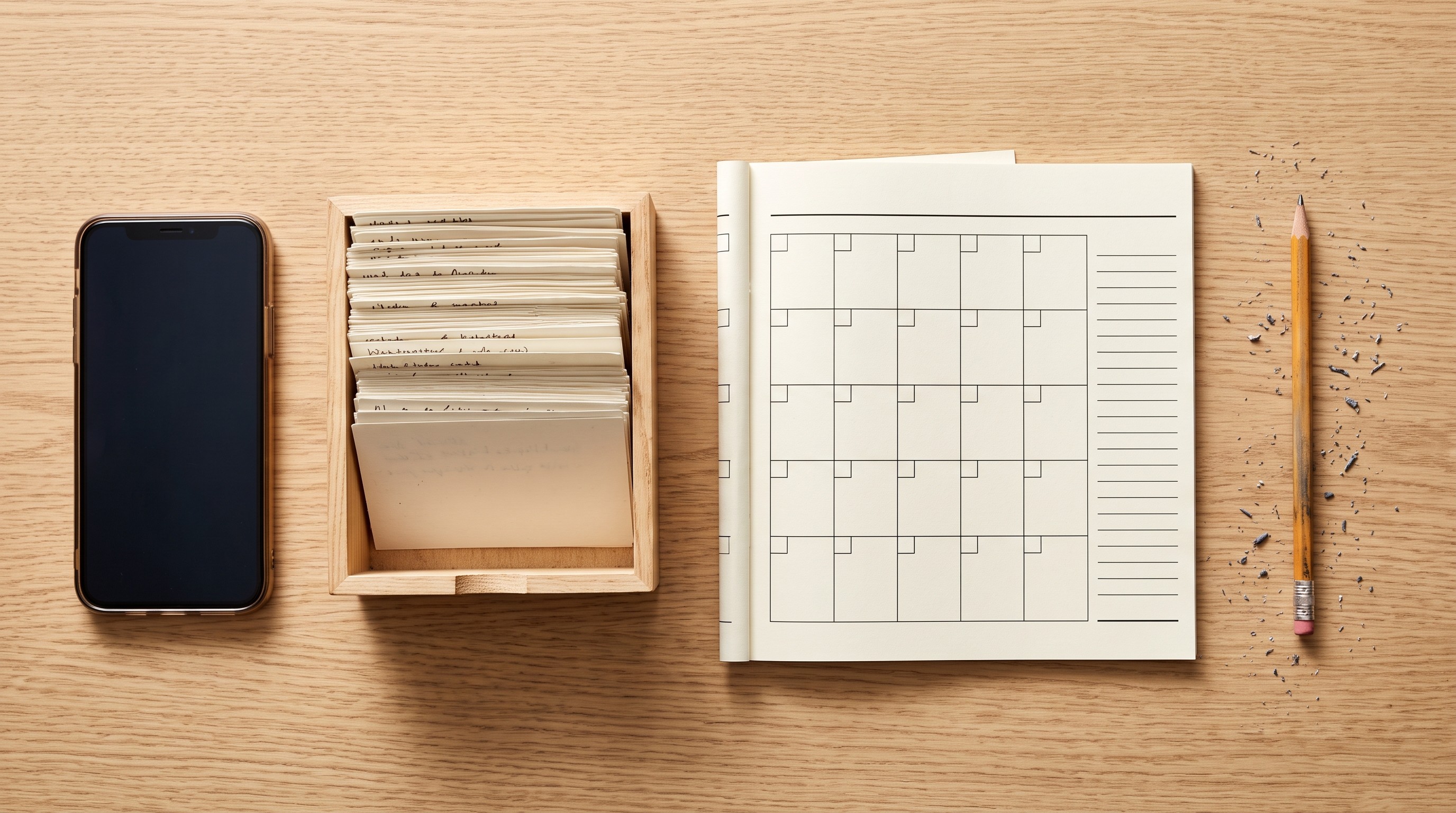
Spaced repetition works when it stays boring. The danger is turning Anki into a customization hobby with a medical degree attached.
Ora AI’s 2026 Step 1 resource guide describes the classic UFAPS bundle: UWorld, First Aid, Anki, Pathoma, and Sketchy, with supplements like Boards and Beyond or AMBOSS. That stack is still the cleanest starting point for most Step 1 students.
22. AnKing Anki deck
AnKing is the community standard because it’s tagged to major resources and updated by people who actually use it. The deck is huge, which is both the selling point and the problem.
Suspend aggressively. Unsuspend cards tied to missed questions, lectures, Pathoma chapters, or Sketchy videos. If you unsuspend everything, Anki becomes a second curriculum.
Best for: Step 1 retention, Step 2 tagged review, missed-question repair.
23. AnkiMobile or AnkiDroid
The app matters because boards are won in small, repeated sessions. Ten minutes in the elevator bank isn’t glamorous. It counts.
AnkiMobile costs money on iOS; AnkiDroid is free on Android. Either way, sync carefully and don’t edit decks on three devices at once unless you enjoy conflict errors.
Best for: daily reviews, clerkship downtime, keeping old material alive.
24. Osmosis
Osmosis combines videos, flashcards, and questions in a friendlier interface than most board tools. It’s useful for students who want a guided learning path rather than a raw deck.
It may be too gentle as your only board prep tool. Keep it paired with a serious question bank.
Best for: early med school, visual review, gentle ramp-up before UWorld.
25. Firecracker / UWorld daily review
Firecracker’s original pitch was daily longitudinal review. Parts of that idea now live under the broader UWorld umbrella, depending on what access your school or subscription provides.
The use case remains sound: a daily trickle of questions and recall prompts beats panic cramming. Mostly. There’s a point where daily-review tools become clutter if they compete with UWorld blocks and NBME forms.
Best for: long runway prep, retention during coursework, students who need daily structure.
For a wider pass at tools beyond board prep, see Otio’s guide to med school study tools and the broader list of resources for medical students.
How to use this list with Otio
The practical stack for most students is smaller than the list: UWorld or AMBOSS, NBME forms, Pathoma or Boards and Beyond, Sketchy, AnKing, and one shelf book. Add more only when a miss pattern proves you need it.
A good board-prep Space in Otio has five folders: questions, videos, books, missed concepts, and final review. Put PDFs, saved webpages, YouTube links, and notes in one place. Then search across them when the same topic keeps biting you.
Use Otio’s text-selection Ask Otio toolbar when a UWorld explanation, Pathoma page, or Step-Up paragraph doesn’t click. Highlight the confusing passage and ask for the missing distinction: why ceftriaxone instead of doxycycline, why surgery now instead of antibiotics first, why the answer is reassurance rather than another test.
The workflow is simple:
Finish a timed block.
Review only missed and guessed questions.
Save the explanation or topic page into your board-prep Space.
Ask Otio to turn the miss into a short Anki-style note with diagnosis clue, trap answer, correct move, and citation back to the source.
Re-test the topic within 48 hours.
This breaks the moment you ask AI to replace the question bank. Don’t. Let the question bank judge you. Let Otio help you keep the evidence organized and turn misses into review material.
Try Otio as your board-prep research workspace before your next rotation exam.
FAQ
Q: How long are shelf exams?
A: Many NBME clinical science shelf exams are 110 questions and last 2 hours 45 minutes. Always verify the current timing with your school or NBME materials before test day.
Q: Where can I find official NBME practice shelf exams?
A: NBME offers official self-assessments and clinical mastery-style forms through its own site. Use them late enough that the score tells you something useful.
Q: What is the best resource to replace Khan Academy for Step 1?
A: Boards and Beyond plus Pathoma is the cleanest upgrade for most students. Add Sketchy for micro and pharm if recall is the problem.
Q: Do I need UWorld if I already have AMBOSS?
A: Most students still treat UWorld as the core bank and AMBOSS as a strong second tool. If money is tight, finish one bank well before buying another.