Exam Prep
18 Best MCAT & USMLE Study Resources Beyond Khan Academy
Ranked study tools for MCAT, Step 1, and Step 2 CK—from question banks to video reviews. Skip the noise, find what matches your exam stage.

You can lose a month in MCAT or board prep by picking the “best” resource for the wrong exam stage. Khan Academy can teach the foundation, but timed AAMC-style passages, NBME-style clinical vignettes, and post-question review are where scores usually move.
The short answer: MCAT students should start with AAMC + Jack Westin + one harder third-party exam set; Step 1 students should build around UWorld, NBME, Sketchy, First Aid, and Pathoma; Step 2 CK students should live in UWorld, NBME, shelf resources, and clinical references.
The mistake is treating resources like a buffet. Don’t. Pick one primary question source, one content source, and one review system. Everything else earns its place only if it fixes a named weakness.
Who this list is for & how we picked these 18 resources
This list is for three groups: pre-med students taking the MCAT, M1/M2 students heading into Step 1, and M3/M4 students trying to turn shelf prep into Step 2 CK prep without starting from scratch.
We weighted resources by exam fit. MCAT prep needs passage stamina and science recall. Step 1 prep needs high-yield pattern recognition. Step 2 CK prep punishes people who memorize facts without deciding what to do next.
We also separated learning mode from exam mode. Videos can fix organic chemistry confusion in 20 minutes. They won’t teach you pacing across a 7-hour testing day. Flashcards can keep biochem pathways alive. They won’t expose whether you freeze when two answer choices both sound plausible.
Academic medical-school guides tend to frame MCAT and USMLE prep as a mix of content review, practice questions, and official-style assessment; SGU’s MCAT prep materials guide makes that same point in plain terms. For USMLE, Mayo Clinic’s USMLE Steps 1 and 2 library guide explicitly groups preparation around online qbanks and medical-school library resources.
If you’re building a broader stack, our guide to med school study tools and resources covers the non-board tools too: scheduling, anatomy apps, note systems, and recall workflows.
What makes a great MCAT/USMLE resource: the framework
A good prep resource does one job well. That sounds obvious until you watch someone use Pathoma to answer Step 2 management questions, or grind UWorld before they understand acid-base basics.
Use this filter before buying anything.
If your bottleneck is... | Use this kind of resource | Don’t waste time on... |
|---|---|---|
You don’t know the content | Video or textbook review | Timed qbank blocks yet |
You know facts but miss passages | AAMC-style MCAT practice | More passive videos |
You miss Step 1 recall questions | UWorld + First Aid review | Long lectures on every topic |
You miss Step 2 “next best step” items | Clinical vignettes + shelf exams | Pure memorization decks |
You can’t find old mistakes | A searchable error log | Screenshots buried in camera roll |
Exam-stage specificity beats brand reputation. MCAT prep is heavy on chemistry, physics, biochemistry, CARS, and stamina. Step 1 still rewards compact high-yield systems knowledge, even after pass/fail. Step 2 CK shifts the center of gravity toward clinical judgment.
Question-bank depth matters because weak spots hide inside explanations. A qbank with thin answer rationales teaches you only whether you were right. A better one explains why the tempting wrong choice was wrong.
Official material should come late enough to measure readiness. Burning an AAMC full-length in week one feels productive. It’s usually expensive curiosity.
A rough sequence works better:
Fix content gaps with videos, books, or Anki.
Drill untimed questions until explanations stop feeling foreign.
Switch to timed blocks.
Use official-style practice to calibrate.
Spend more time reviewing missed questions than collecting new ones.
Khan Academy fits mostly in step one. It’s strongest when you need a clean explanation of electrochemistry, enzyme kinetics, or optics before attempting exam-style material. It doesn’t replace full-length timing, CARS volume, or clinical vignette practice.
Best for MCAT full-length exams & practice
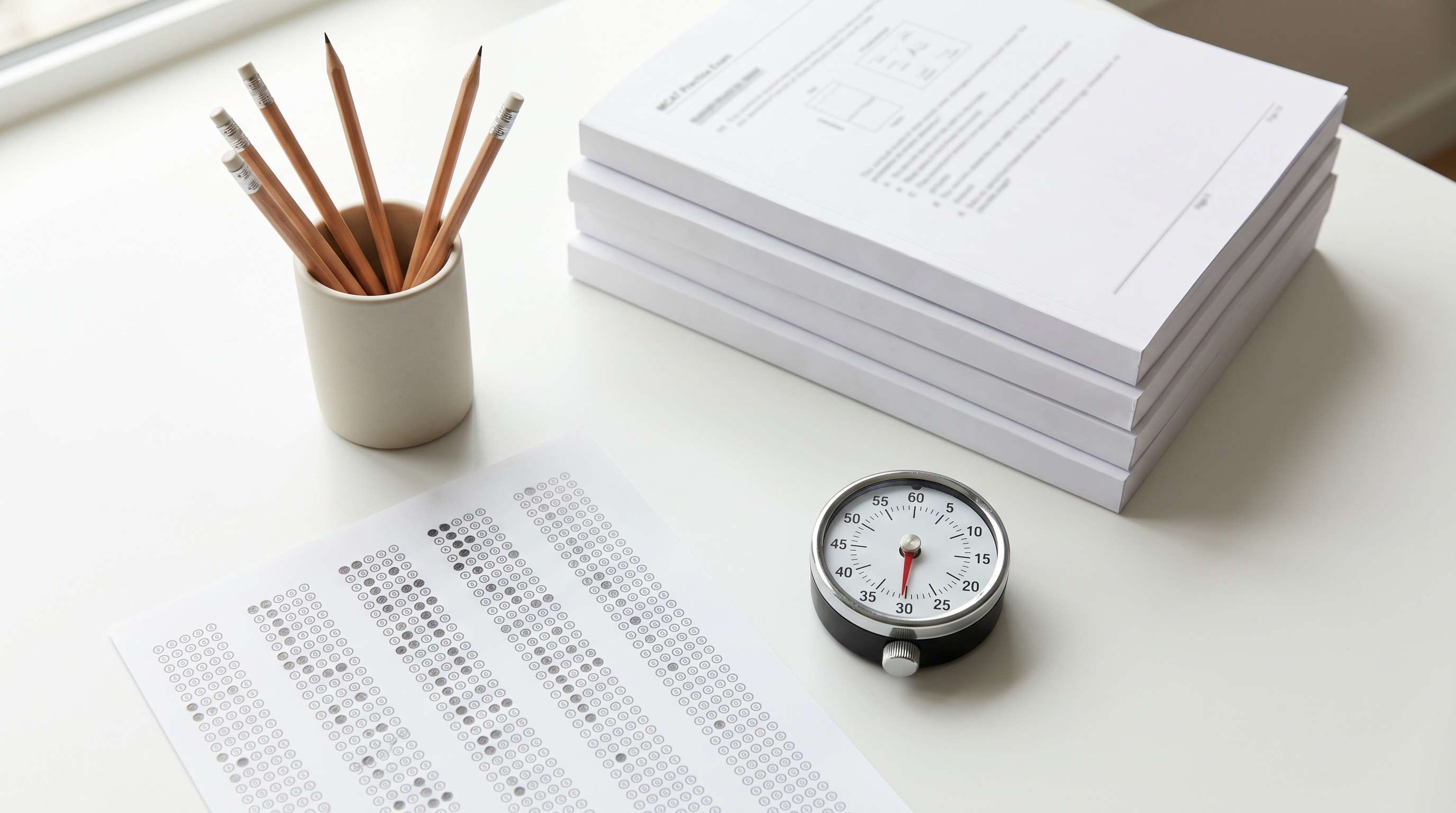
MCAT practice exams are where optimism goes to get audited. You may understand every biology video you watched and still hemorrhage points because passage timing feels different under pressure.
Use third-party exams to build stamina. Save AAMC materials for calibration.
1. AAMC Official Practice Materials
AAMC practice material should be your final checkpoint because it comes from the test maker. That includes scored and unscored full-length exams, section banks, question packs, and official-style passages.
Several prep reviewers point students back to AAMC first; TestPrepPal’s 2026 MCAT practice-test review notes the official AAMC set includes one free full-length plus five paid exams at $35 each. Treat those like limited ammunition.
Best use: one diagnostic if needed, then save the remaining AAMC exams for the final 4–6 weeks.
2. Jack Westin Daily MCAT Passages
Jack Westin is the best free habit-builder on this list. Daily CARS, chemistry, and biology passages let you practice without committing half a day.
The trap is doing passages and moving on. Don’t. Review why the correct answer follows AAMC logic, especially in CARS, where “close enough” reasoning gets punished.
Jack Westin’s AAMC materials guide argues that one carefully reviewed full-length beats several careless ones. That’s the line to steal for your whole MCAT prep.
Best use: 30–45 minute passage sets on weekdays, full-lengths on weekends.
3. Blueprint MCAT Full-Lengths
Blueprint, formerly Next Step, is a strong third-party full-length option when AAMC material is still too valuable to spend. These tests often feel slightly harder than the real MCAT, which can be useful if you don’t let the score wreck your week.
The explanations are the reason to buy it. A harder exam with shallow review creates noise. A harder exam with usable explanations tells you where your reasoning cracked.
Best use: mid-prep stress testing, especially for Chem/Phys and Bio/Biochem.
4. Altius MCAT Full-Lengths
Altius is less famous than Kaplan or Princeton Review, but it has a loyal following because the exams feel close to the MCAT’s passage style. The explanations are concise. For some students, that’s a feature.
Use Altius if you already have a review process and don’t need hand-holding. If you’re still learning foundational content, it may feel abrupt.
Best use: later practice once you’ve finished most content review.
5. The Princeton Review Full-Length Exams
Princeton Review exams work well for mid-prep calibration. They’re structured, easy to schedule, and familiar to students who bought a course or book bundle.
Explanations can be thinner than Blueprint’s. If you use Princeton Review, force yourself to write a one-line reason for every missed answer. No paragraph. Just the failure mode.
Best use: students who want a conventional course-adjacent practice set.
6. Kaplan Full-Length Exams
Kaplan exams are widely available and cleanly organized. They’re useful early because they build confidence and expose content gaps without always feeling brutal.
Late in prep, they can underprepare you for weird passage logic. Use them, then graduate.
Best use: first half of MCAT prep, especially if you’re using Kaplan books.
For MCAT science depth, pair any practice-test plan with focused content review. Our guide to biochemistry textbooks for med students and USMLE prep is useful if amino acids, metabolism, or enzyme kinetics keep showing up in your error log.
Best for MCAT content review & high-yield videos
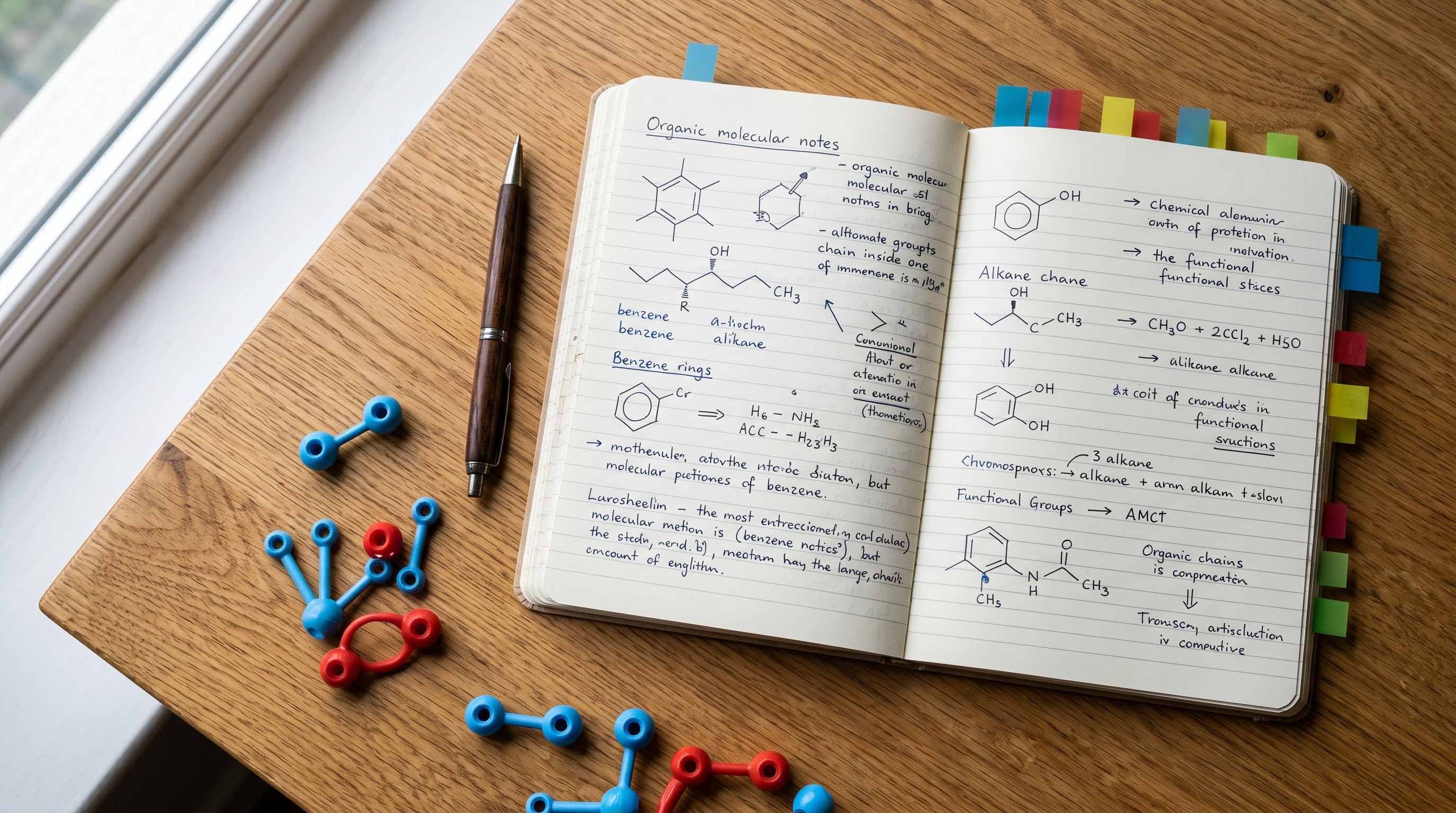
Videos are good for rescuing a concept. They’re lousy as a default study day because they make fluency feel like mastery.
Use them surgically. If you missed three acid-base questions, watch one explanation, write the rule in your own words, then answer five related questions. That loop works.
7. The Organic Chemistry Tutor
The Organic Chemistry Tutor is the YouTube channel I’d use when a textbook explanation has gone stale. The name undersells it: the channel covers organic chemistry, general chemistry, biochemistry, physics, and math.
A useful caution comes from Trevor Klee’s guide to using YouTube videos for MCAT content review: The Organic Chemistry Tutor can go deeper than the MCAT requires. That’s fine if you’re stuck. It’s costly if you binge two hours because the videos feel productive.
Best use: 15–30 minute rescue sessions for specific weak topics.
8. Osmosis
Osmosis is strongest for visual learners who need biology, physiology, or biochemistry tied to clinical context. The animations help when a process has moving parts: nephron physiology, cardiac output, endocrine feedback, immune signaling.
Its MCAT use is narrower than its med-school use. For pre-meds, Osmosis is a bridge between basic science and medicine. For M1/M2 students, it can fill the gap before Pathoma, Sketchy, or qbank review.
Best use: visual explanations before active recall.
9. MileDown Anki Deck
MileDown is the default MCAT Anki recommendation for good reason: it’s broad, organized, and easier to maintain than some giant community decks.
Don’t suspend judgment and simply “do Anki.” Mature cards are only useful if the deck maps to your missed questions. If you’re missing electrochemistry, tag those cards. If you’re missing CARS inference questions, Anki probably isn’t the fix.
Elite Medical Prep’s MCAT Anki deck comparison places MileDown among the major community decks students choose from, alongside options like JackSparrow and Ortho528.
Best use: daily recall for formulas, pathways, equations, and high-yield facts.
10. Chad’s Videos
Chad’s Videos are slower and more classroom-like than most YouTube explainers. That helps if you’re rebuilding chemistry from shaky ground.
The pace can annoy students who already know 70% of the topic. Skip around. Boards don’t reward politeness to a syllabus.
Best use: chemistry and biochemistry repair work.
11. Booster Fuels MCAT Prep
Booster Fuels is for students who want short, MCAT-specific videos without buying a large prep course. The value is compression. Five-to-fifteen-minute lessons are easier to fit around classes or lab shifts.
It won’t replace AAMC practice. Nothing in this section will.
Best use: targeted high-yield review during the middle third of prep.
12. Khan Academy MCAT Collection
Khan Academy still belongs in the stack, even in an article about alternatives. Its MCAT collection is useful for foundational science, especially when you need a calm explanation before harder passages.
Use it as a primer. If you’re six weeks out and still watching broad content videos for comfort, switch to questions.
Best use: early content review or patching a single concept.
Best for USMLE Step 1 question banks & board-style drilling
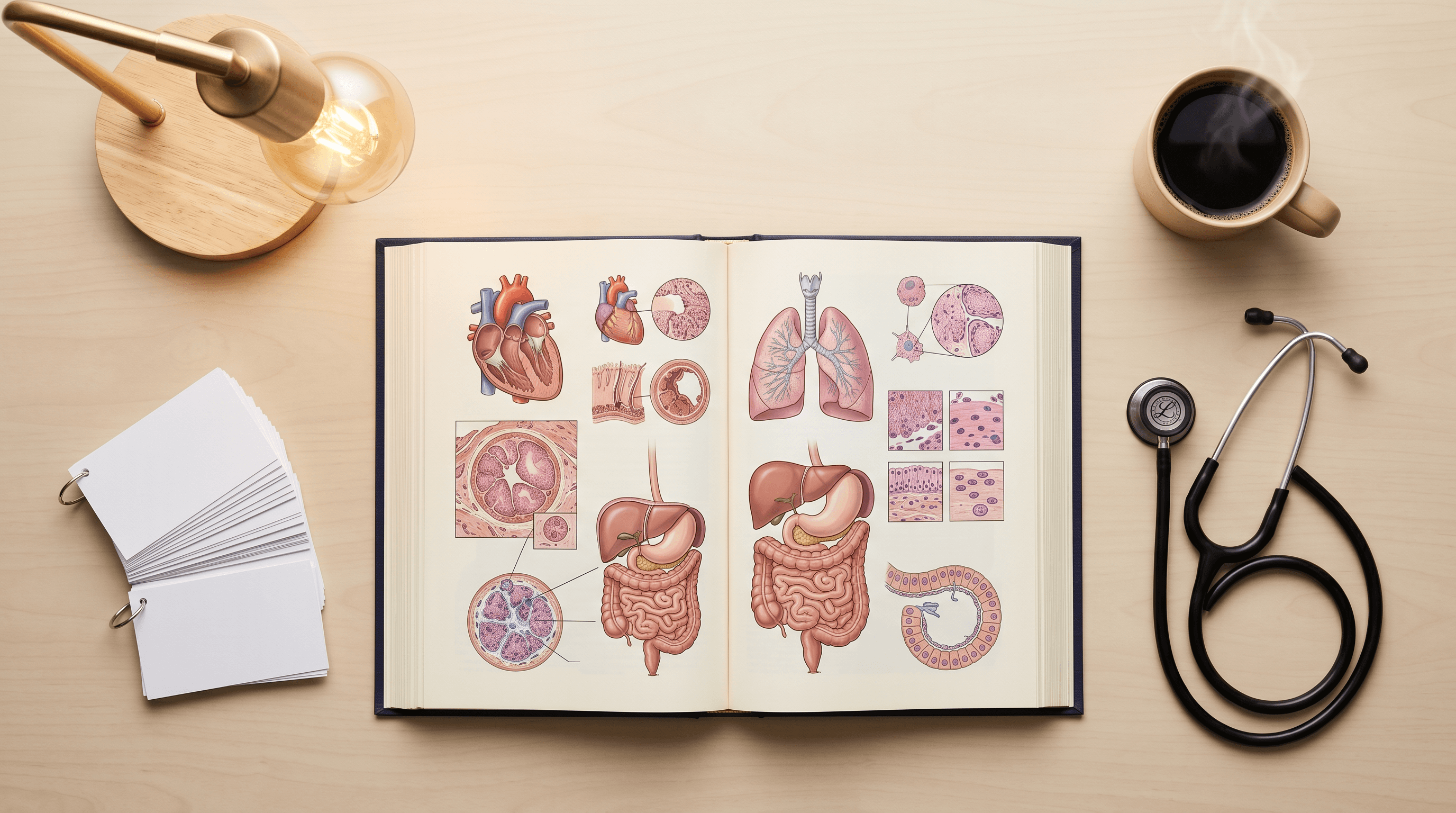
Step 1 rewards repeated exposure to board-style framing. That means questions first, explanations second, and resources that compress medicine into patterns you can retrieve quickly.
Pass/fail changed the psychology. It didn’t make weak preparation safe.
13. UWorld Step 1 QBank
UWorld is the center of most Step 1 plans because its explanations teach the exam’s logic. The question itself is only half the asset. The diagram, table, and wrong-answer rationale are often the real lesson.
Do blocks by system while learning. Then mix systems once you’re within dedicated prep. Random timed blocks too early can turn into expensive self-punishment.
Best use: primary Step 1 qbank, reviewed slowly.
14. NBME Self-Assessments + Free 120
NBME assessments are official-style calibration. Use them to answer the question your qbank percentage can’t: are you ready for the exam’s language?
Take the Free 120 near the end. If you use it too early, you lose one of the cleanest final checks.
Best use: readiness checkpoints in the final stretch.
15. Amboss Qbank
Amboss is excellent for students who want linked explanations and quick reference material inside the same workflow. Its questions can feel pricklier than UWorld. Sometimes that’s useful. Sometimes it trains overthinking.
Use Amboss after UWorld if you need extra volume, or alongside it if your school already provides access.
Best use: second qbank, concept linking, weak-system repair.
16. SketchyMedical
Sketchy earns its reputation in microbiology and pharmacology because it turns low-context facts into visual anchors. For bugs and drugs, that’s a big deal.
The risk is passive watching. If you can’t retrieve the mechanism or organism clues without the video open, you haven’t learned it yet. Pair Sketchy with questions or Anki.
Best use: micro and pharm retention.
If pharmacology is the pain point, use our ranked list of pharmacology textbooks and study resources for med students or the more exam-focused guide to pharmacology mnemonics for USMLE Step 1.
17. First Aid for the USMLE Step 1
First Aid is a map, not a tutor. It tells you what belongs in the high-yield universe, but it often won’t explain enough on its own.
Annotate lightly from UWorld. The word is lightly. If every margin becomes a landfill, you’ve rebuilt the qbank in smaller handwriting.
Best use: master index for Step 1 facts.
18. Pathoma
Pathoma is the cleanest pathology resource for Step 1. Sattar’s explanations are short, memorable, and tied to mechanisms rather than random fact piles.
Chapter 1–3 deserve special attention because inflammation, neoplasia, and growth adaptations bleed into everything else. Many students rewatch those chapters late in dedicated prep. Reasonable.
Best use: pathology framework, especially before or during UWorld.
Best for USMLE Step 2 CK clinical reasoning & shelf exam prep

Step 2 CK prep starts during rotations whether you admit it or not. Every shelf exam is a deposit. Every missed question you ignore becomes a recurring tax.
The exam is less about “what disease is this?” and more about “what do you do now?” That shift breaks students who carried Step 1 with recall alone.
UWorld Step 2 CK QBank
Use UWorld Step 2 CK as your main qbank unless your school gives you a strong reason not to. The explanations are clinically oriented and usually teach management sequence better than a textbook chapter.
During rotations, do the relevant subject blocks. In dedicated prep, switch to mixed timed sets.
A small rule helps: for every missed question, write the decision point, not the disease. “Stable angina next test” is better than “angina.” It’s retrievable.
NBME Step 2 CK Practice Exams + Free 120
NBME practice exams are the best reality check for Step 2 CK timing and wording. They can feel less explanatory than qbanks, which frustrates students. Fine. Their job is measurement.
Take them 2–3 weeks before test day, then again closer to the exam if you have enough forms left. Don’t hoard all of them until the final week.
Shelf exam resources by specialty
Shelf prep should feed Step 2. Medicine, surgery, OB/GYN, pediatrics, psychiatry, family medicine, and neurology all add question patterns that return later.
For shelf-specific plans, use our guides to best shelf exam resources, internal medicine shelf strategy, and neurology shelf exam prep. Those are more granular than a Step 2 overview can be.
UpToDate
UpToDate isn’t a board qbank. It’s a clinical reasoning reference. Use it when you don’t understand why the “next best step” follows a guideline sequence.
Read the summary sections, not the entire topic page. On a rotation, that difference is the gap between studying and accidentally writing a review article.
Case Files
Case Files is still useful because it matches the cadence of rotations. Short case, teaching points, practice questions. Good for lunch, commuting, or the dead 20 minutes before rounds.
It’s weaker as a sole Step 2 resource. Use it to build pattern recognition, then test that pattern in UWorld or NBME-style questions.
Osmosis Step 2 CK Prep
Osmosis works for Step 2 if you learn well from clinical animations and want a gentler bridge into qbank blocks. The qbank is smaller than UWorld, so it’s better as a supplement.
Use it for topics where the mental movie matters: shock, heart failure, acid-base, obstetric emergencies.
Best for rapid review, mnemonics & last-minute cramming
Last-minute review has one job: make known material easier to retrieve. It can’t rebuild physiology from rubble. It can rescue facts you keep almost remembering.
This is where mnemonics, compact books, and targeted rewatching earn their keep.
First Aid
Use First Aid as a final sweep for Step 1. Circle weak tables. Mark facts you keep missing. Avoid the theatrical reread, where your eyes move and nothing sticks.
For Step 2, First Aid is less central. Clinical questions need management logic, not just fact density.
Sketchy Micro & Pharm
Sketchy is ideal for last-minute infectious disease and drug recall. If you’ve already watched the videos, don’t rewatch everything. Pull up the specific sketches tied to missed questions.
Sketchy plus Anki works. Sketchy plus vague confidence does not.
Pathoma
Pathoma’s best late use is targeted. Rewatch renal pathology if renal questions keep breaking you. Rewatch the first chapters if mechanisms feel mushy.
Eight hours is short enough to binge. Resist that unless your baseline is genuinely weak.
BRS Physiology
BRS Physiology is dense and useful when physiology is the bottleneck. It pairs well with UWorld because many missed Step 1 questions are physiology errors disguised as pathology.
Use the end-of-chapter questions. Reading alone won’t expose the gap.
Rapid Review Biochemistry
Rapid Review Biochemistry is a compact choice for metabolism, genetics, nutrition, and molecular biology. MCAT students may prefer a more explanatory source. Step 1 students who already learned the material can use it for compression.
If biochemistry is still shaky, our biochemistry resource guide gives better primary options.
Pixorize
Pixorize is strongest for biochemistry and genetics mnemonics. It’s especially good for lysosomal storage diseases, vitamin deficiencies, and pathways where names blur together.
Like Sketchy, it needs retrieval practice. Watch, close it, recall the image, then answer questions.
How to use this list: organize & track your prep with Otio
The resource stack is the easy part. The hard part is remembering why you missed question 38 from a renal block two weeks ago.
Use a dedicated workspace for each exam stage. MCAT, Step 1, and Step 2 CK should not share one messy folder full of screenshots, PDFs, and half-written notes. In Otio’s AI research workspace, Spaces let you separate those libraries by exam, color, and project.
A practical setup looks like this:
MCAT Space: AAMC score reports, Jack Westin passage notes, chemistry weak-topic notes, Anki tags to repair.
Step 1 Space: UWorld missed concepts, First Aid page references, Sketchy/Pathoma links, NBME self-assessment takeaways.
Step 2 CK Space: shelf exam misses, UWorld clinical decision points, rotation-specific notes, UpToDate summaries.
The important artifact is the mistake log. Not a pretty notebook. A searchable record.
After each qbank block, paste or upload the missed-question explanation, then write four fields: topic, why I picked the wrong answer, rule I should have used, and where to review it. That last field can point to First Aid, Pathoma, UWorld, UpToDate, or your own note.
This breaks the moment two reviewers disagree on what went wrong. One student labels a miss “cardiology.” Another labels the same miss “contraindication to beta blockers.” Only the second version helps during final review.
Otio’s text-selection Ask-Otio toolbar is useful here because you can highlight a passage in a PDF, transcript, or note and ask for a follow-up question without leaving the reader. If you’re reviewing acute coronary syndrome, highlight the management paragraph and ask for a board-style variant focused on contraindications.
Voice notes can help after rotations, too. Record a two-minute summary after a study block: what you missed, what felt fuzzy, what needs review tomorrow. Voice wins on capture speed. It loses if you never tag the transcript, so add the disease system or shelf name before you forget.
For heavier sessions, multi-window review is better than tab chaos. Put a UWorld explanation, First Aid excerpt, and your own mistake note side by side. Ask for the shared rule. Then write the final version yourself.
That last step matters. If the AI writes the whole note, it may feel tidy while skipping the friction that makes recall work.
Try Otio for your next MCAT or USMLE study block if your prep materials are scattered across PDFs, videos, screenshots, and notes.
FAQ
Q: Should I use Khan Academy for MCAT prep?
A: Yes, but mainly for foundational science review. It’s best as a primer before AAMC-style passages, full-length exams, and timed CARS practice.
Q: What’s the best USMLE Step 1 question bank?
A: UWorld is still the default primary qbank for most Step 1 students. Pair it with NBME self-assessments and the Free 120 so you aren’t judging readiness from qbank percentages alone.
Q: How many practice questions should I do before Step 2 CK?
A: Many students aim for roughly one full pass through a primary qbank plus shelf-specific practice. The useful metric is whether your missed-question patterns are shrinking, not whether you hit a magic number.
Q: Are paid prep courses worth it for boards?
A: They can help if you need structure, accountability, or a full schedule built for you. Self-directed students often do well with a lean stack: one qbank, official assessments, one review book, and targeted videos.
Q: When should I start Step 2 CK prep?
A: Start during M3 rotations by treating shelf prep as Step 2 prep. Dedicated Step 2 CK study usually works best after you already have a rotation-based question bank foundation.